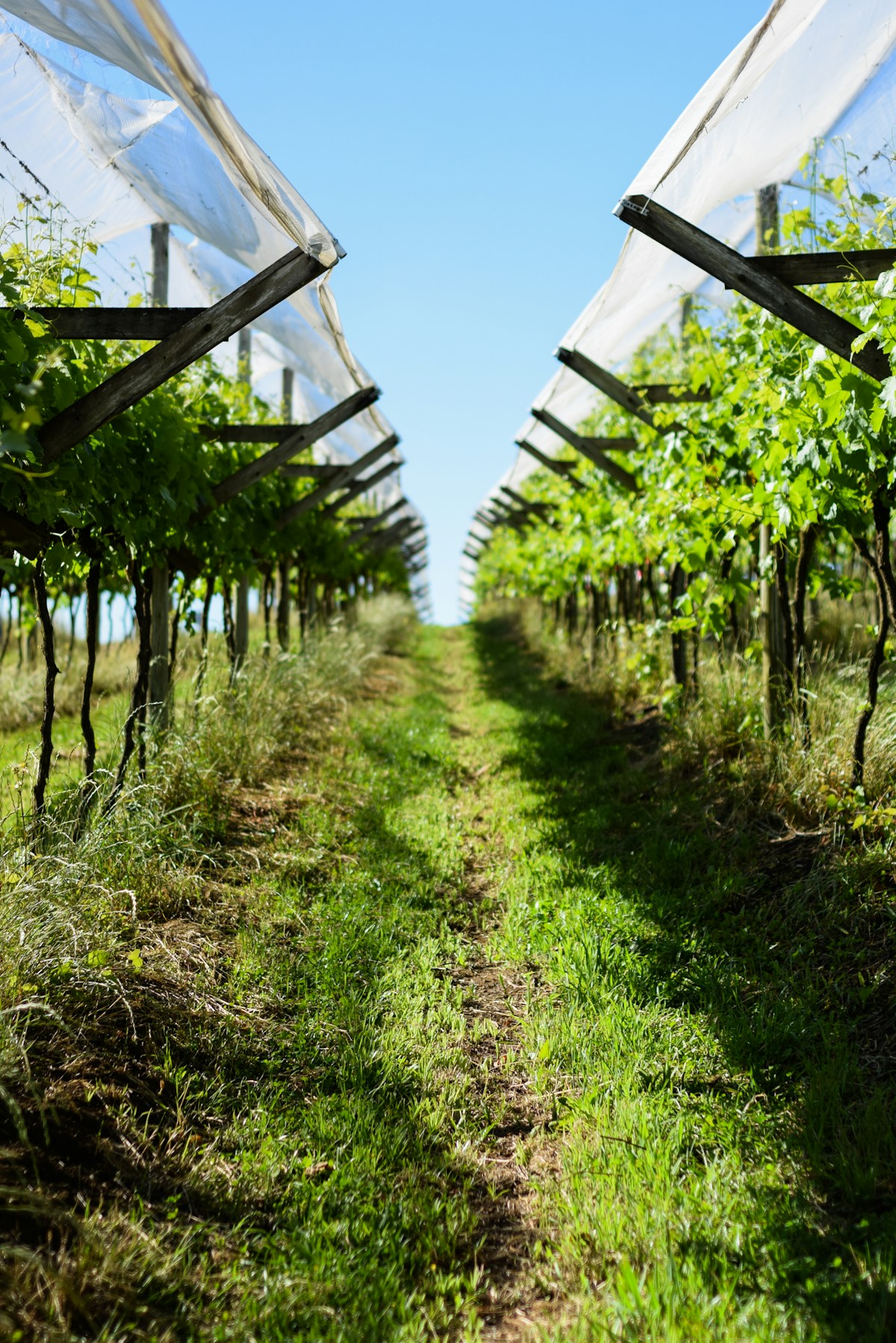
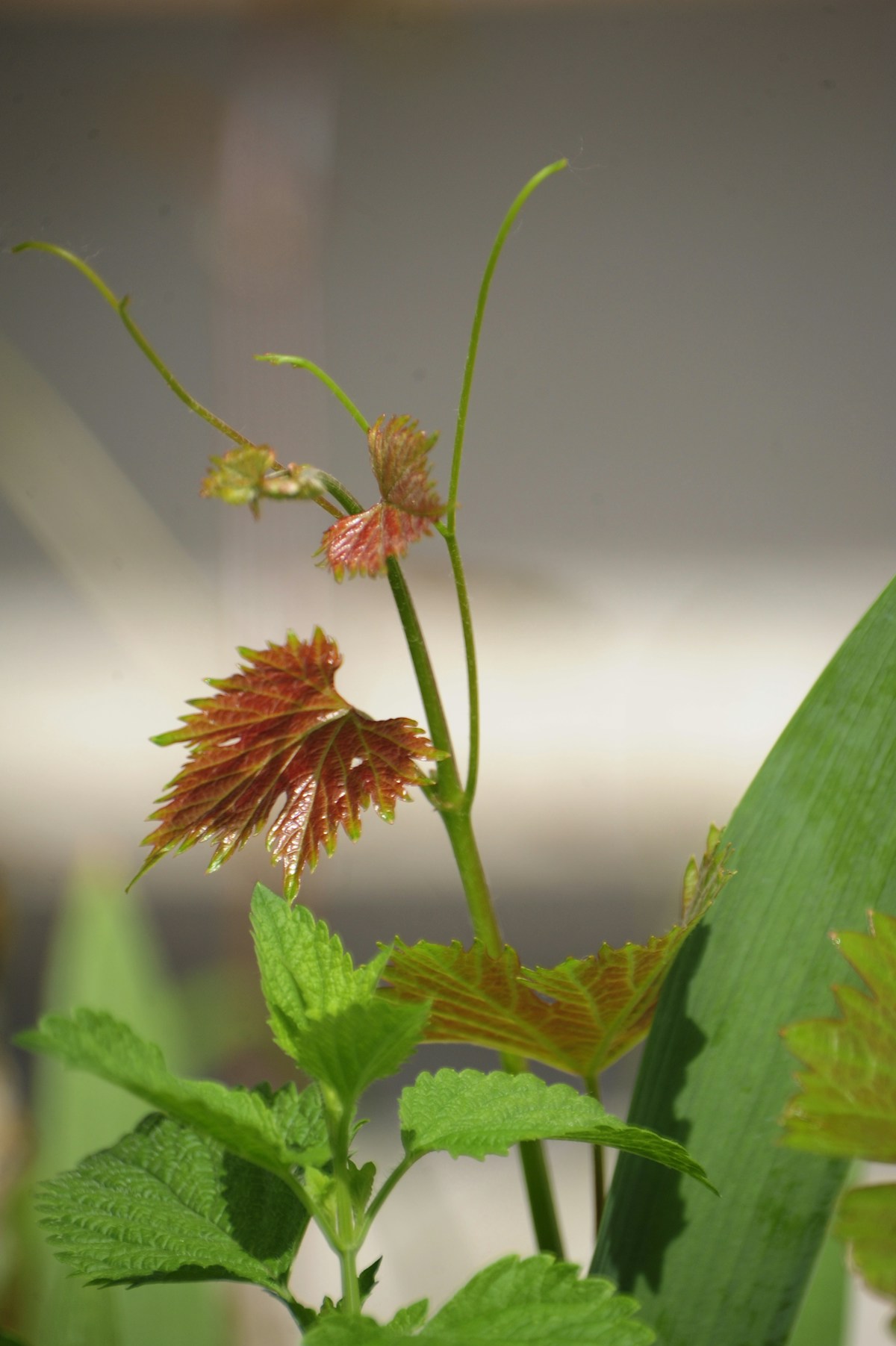
The big distributors aren’t in Bulgaria yet. That’s the window. When a Saint-Émilion Grand Cru proprietor shows up to plant in the Thracian Valley, he’s seeing something the US market hasn’t priced in. That window closes. Here’s what you need to know before it does.
Long before the Greeks codified the cult of Dionysus, the Thracians were already deep in devotion to their own god of wine — Zagreus, later syncretized with Dionysus himself. Archaeological evidence from the eastern Balkans points to organized viticulture stretching back more than five millennia, making present-day Bulgaria one of the oldest continuously cultivated wine territories on Earth.1 Homer references Thracian wine in the Iliad, where Odysseus famously uses a potent Thracian red to intoxicate the Cyclops Polyphemus.2 The golden treasures of Thracian kings — elaborate rhytons and drinking vessels unearthed at Panagyurishte and Rogozen — confirm that wine was not merely an agricultural product but the spiritual and ceremonial lifeblood of a civilization. For professionals exploring the deep history of European viticulture, Bulgaria’s Thracian heritage is not a footnote; it is a primary chapter.
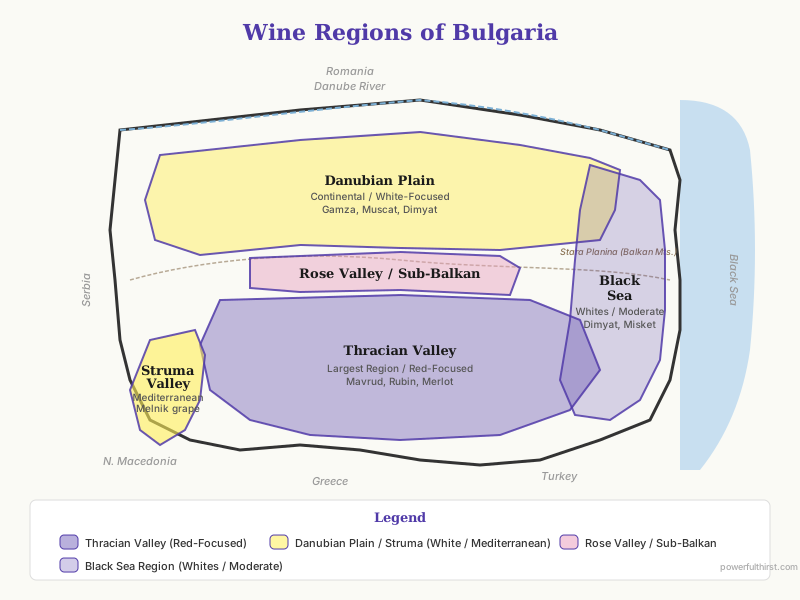
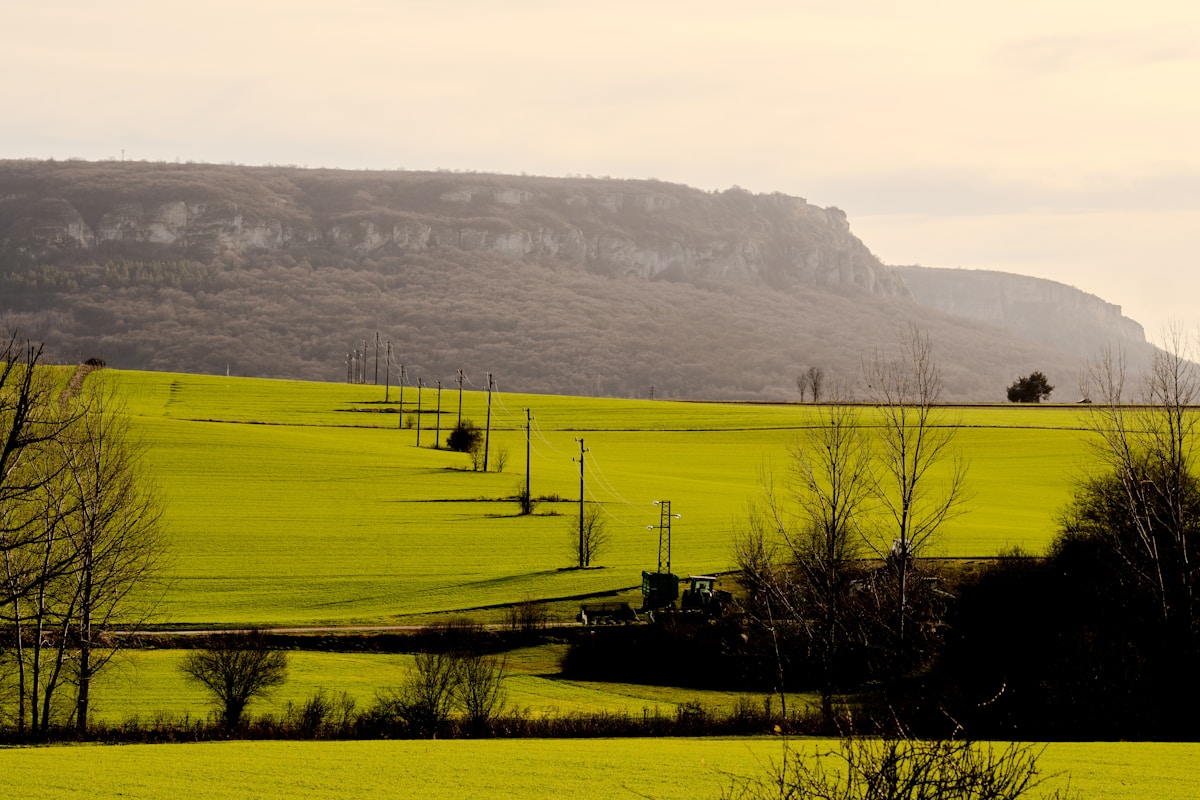
Bulgaria’s modern appellation framework, formalized after EU accession in 2007, recognizes five broad viticultural zones, each shaped by distinct geography and climate.3 The Thracian Valley, the largest zone, stretches across the southern lowlands between the Sredna Gora and Rhodope mountains, basking in a warm continental climate ideal for full-bodied reds — Mavrud, Merlot, Cabernet Sauvignon, and the uniquely Bulgarian Rubin. To the north, the Danubian Plain enjoys a cooler continental climate moderated by the river, producing elegant whites and lighter reds, with Gamza (the Bulgarian name for Kadarka) as its hallmark variety. The Struma Valley in the far southwest is Bulgaria’s warmest zone, its narrow river corridor funneling Mediterranean warmth that yields the singular Shiroka Melnishka Loza — the broad-leaved Melnik grape found virtually nowhere else on the planet. The Black Sea region along the eastern coast benefits from maritime moderation and diurnal temperature swings that preserve acidity in white varieties like Dimyat and Misket. Finally, the Rose Valley and Sub-Balkan zone, tucked between the Balkan and Sredna Gora mountain ranges, is still emerging as a viticultural identity, though its cool microclimates show promise for aromatic whites and elegant reds alike.
Key Indigenous Grapes of Bulgaria
| Grape | Description |
|---|---|
| Mavrud | Dark, intensely tannic, deeply colored. The name derives from the Greek mavro (“black”) — historically called “black blood of the Thracians.” Flagship of the Thracian Valley. Ages well, showing notes of blackberry, dark plum, leather, and spice. |
| Rubin | A 1944 Bulgarian cross of Nebbiolo and Syrah, bred at the Pleven Institute. Combines Italian structure with Rhone aromatics — a genuinely unique variety gaining serious international attention. |
| Gamza (Kadarka) | Light-to-medium bodied red with bright cherry fruit. The Danubian Plain’s signature grape, also grown across Hungary and Serbia under the Kadarka name. |
| Melnik | Shiroka Melnishka Loza, the “broad-leaved vine of Melnik.” Grows almost exclusively in the Struma Valley’s sandy soils. Yields rich, warmly spiced reds with tobacco and dried herb complexity. |
| Dimyat | Ancient white variety, likely of Thracian origin. Produces lightly aromatic, soft wines along the Black Sea coast. One of Bulgaria’s most widely planted white grapes. |
| Misket | Aromatic white with Muscat-like floral notes. Several Bulgarian clones exist; particularly successful in the Black Sea and Rose Valley zones. |
Understanding modern Bulgarian wine requires confronting a dramatic rupture in its history. Under Communist collectivization from the late 1940s onward, Bulgaria became the world’s fourth-largest wine exporter by volume — the vast majority of it undistinguished bulk wine shipped to Soviet bloc markets.4 Indigenous varieties were sidelined in favor of high-yielding international grapes. When the Soviet Union collapsed, so did Bulgaria’s primary export market, and the 1990s saw widespread vineyard abandonment, chaotic privatization of state cooperatives, and a near-total erasure of quality-oriented winemaking culture. The renaissance began in earnest in the early 2000s, as a new generation of owners — many of them Western-trained or Western-partnered — began replanting vineyards at lower densities, investing in temperature-controlled fermentation, and rediscovering the potential of indigenous varieties that the Soviets had nearly erased. EU membership in 2007 accelerated this transformation, bringing structural funds, Protected Geographical Indication (PGI) and Protected Designation of Origin (PDO) frameworks, and access to the single market.5
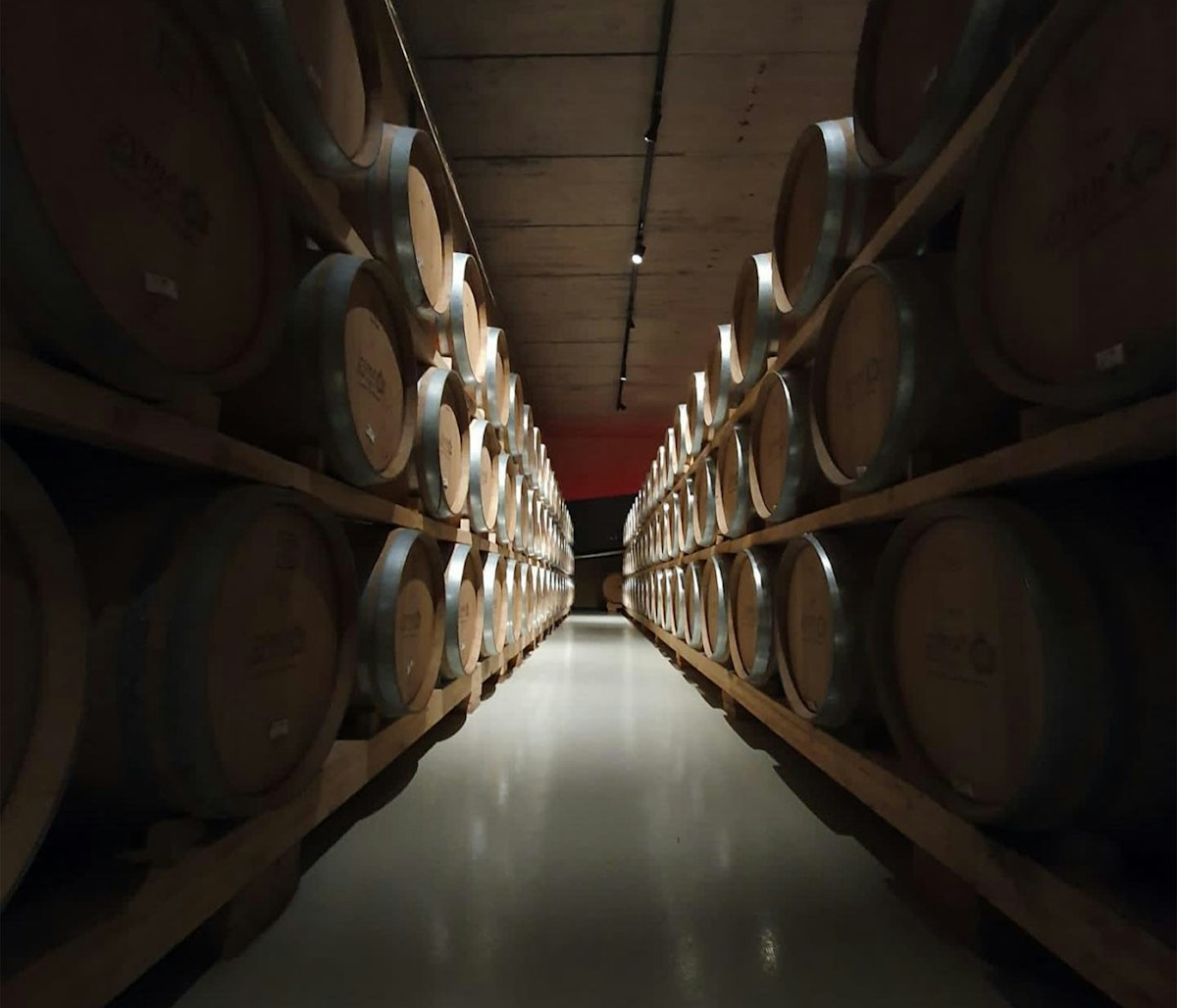
“Bulgaria has what many New World regions spend decades trying to manufacture: genuine terroir identity rooted in millennia of continuous cultivation, combined with indigenous grapes that exist nowhere else.”
The producer landscape today reads like a case study in how international expertise and local terroir can converge. Perhaps the most striking example is Bessa Valley, founded by Comte Stephan von Neipperg — the same proprietor of Chateau Canon la Gaffeliere and Chateau La Mondotte in Saint-Emilion — who saw in the upper Thracian Valley soils and climate a potential analogue to the right bank of Bordeaux.6 His Enira label (also from the Thracian Valley) has become one of Bulgaria’s most recognized exports. Midalidare Estate, near Moguilovo, has invested heavily in a gravity-flow winery and ambitious blends that have drawn favorable comparisons to top Cotes du Rhone bottlings. Katarzyna Estate, in the far southeast near the Turkish border, produces polished Bordeaux-style blends at prices that would be impossible in their stylistic home regions. Todoroff, based near Brestovitsa in the heart of Mavrud country, has become a standard-bearer for that flagship indigenous variety. Villa Melnik champions the Struma Valley’s unique terroir and the broad-leaved Melnik grape. Other estates — Rossidi, Castra Rubra, and Dragomir among them — continue to push quality higher vintage after vintage, collectively building an export reputation that would have been inconceivable twenty years ago.
For wine professionals, the investment thesis is compelling and the window of opportunity is narrowing. Bulgaria offers world-class winemaking ambition, genuine indigenous grape varieties with millennia of adaptation to local soils, and an EU-regulated appellation structure that provides legal certainty — all at a fraction of the cost of comparable wines from France, Italy, or Spain. Top-tier Bulgarian Mavrud or Rubin can be sourced at price points that would barely cover entry-level Languedoc, yet deliver complexity, ageability, and storytelling potential that captivate increasingly adventurous consumers. As the country’s best producers gain recognition in international competitions — Decanter, International Wine Challenge, Mundus Vini — and as distribution networks into Western Europe and North America mature, the value gap will inevitably narrow.7 For those in the trade who pride themselves on being ahead of the curve, Bulgaria is not an emerging region to watch — it is one that demands immediate, serious attention.
Sources & Notes
McGovern, P. E. (2003). Ancient Wine: The Search for the Origins of Viniculture. Princeton University Press. Archaeological evidence of grape domestication and winemaking in the eastern Balkans dates to approximately 5000–3000 BCE. ↩︎
Homer, Iliad, Book IX and Odyssey, Book IX. Thracian wine (specifically Ismarian wine from the coast) is described as especially potent and prized. ↩︎
Bulgarian Ministry of Agriculture. National Vine and Wine Chamber (NVWC). Bulgaria’s wine regions and appellation structure are codified under the Bulgarian Wine and Spirit Drinks Act, harmonized with EU Regulation 1308/2013. ↩︎
Anderson, K., & Nelgen, S. (2011). Global Wine Markets, 1961 to 2009: A Statistical Compendium. University of Adelaide Press. Bulgaria was the world’s fourth-largest wine exporter by volume in the 1980s. ↩︎
European Commission, Directorate-General for Agriculture and Rural Development. EU accession (2007) provided Bulgaria access to the Common Agricultural Policy, including vineyard restructuring funds and the PDO/PGI framework. ↩︎
Bessa Valley Winery. Official documentation confirms Comte Stephan von Neipperg (proprietor, Chateau Canon la Gaffeliere, Premier Grand Cru Classe B, Saint-Emilion) as founding partner. The Enira project is a separate but related venture in the Thracian Valley. ↩︎
Decanter World Wine Awards and International Wine Challenge results (2018–2025) show a year-on-year increase in medal count for Bulgarian entries, particularly in the red blend and indigenous variety categories. ↩︎