The orange wine category is built on Slovenian tradition that never stopped. The trend is just finally catching up. What’s interesting for distributors and importers is that the natural wine crowd already created the demand pathway — and the serious producers behind them are still dramatically underpriced versus Friuli, which shares the exact same terroir.
With 28,000 registered winegrowers, a living orange wine tradition, and three distinct regions spanning Alpine foothills to the Adriatic, Slovenia is the most exciting frontier in European wine. Here is why the trade needs to pay attention.
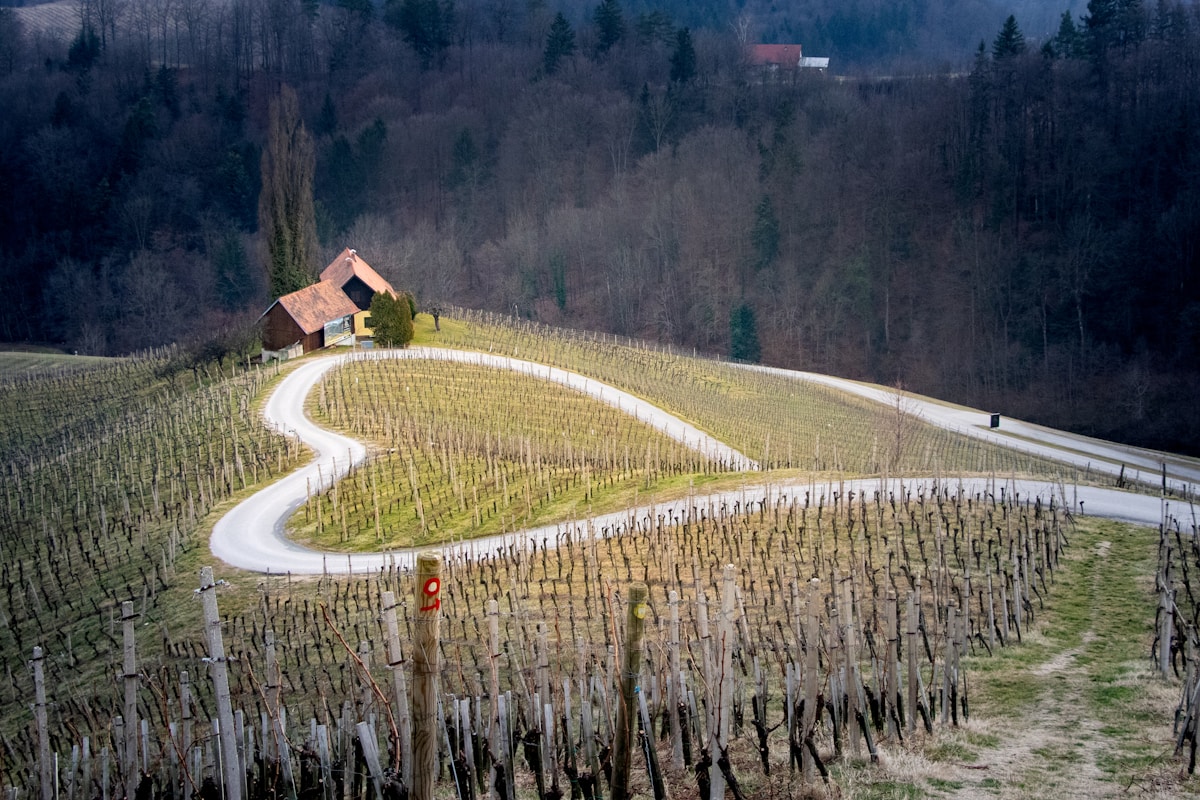
Tucked between the Julian Alps and the Adriatic, Slovenia covers barely 20,000 square kilometers yet contains a viticultural diversity that rivals countries many times its size. The nation’s approximately 28,000 registered winegrowers tend roughly 15,600 hectares of vines across three officially designated wine regions, each shaped by radically different geology and climate.1 Primorska, the western zone running from the Italian border down to the coast, is the best known internationally: warm, Mediterranean-influenced, and home to the subregions that have begun to electrify importers and sommeliers. Podravje, in the northeast along the Austrian (Styrian) border, shares the cool-climate, aromatic-white sensibility of its neighbor, with Furmint, Welschriesling, and Sauvignon Blanc thriving on volcanic and marl soils. And Posavje, the quiet southeast, produces the lightest wines of the three – including Cviček, a local pale-red blend with protected designation that rarely leaves the country – and remains almost entirely unknown abroad.2
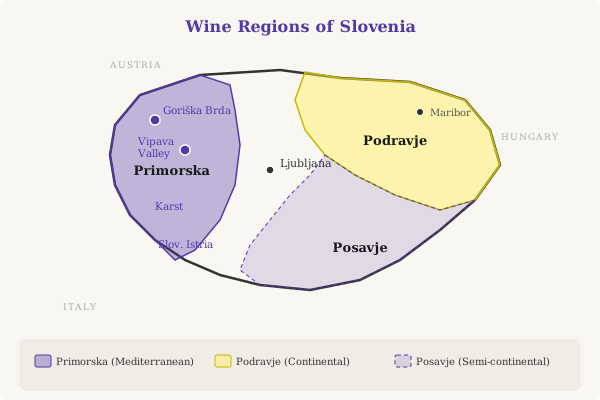
Primorska is where most of Slovenia’s international reputation has been built, and for good reason. Its crown jewel is Goriška Brda, a compact range of steep, flysch-and-marl hills that sits directly across the border from Collio in Friuli-Venezia Giulia – the two appellations are, geologically and historically, a single landscape divided by a twentieth-century frontier. The comparison to Tuscany is overused but not inaccurate: village-crowned ridgelines, cherry and olive trees between vine rows, and a light that turns amber at dusk. South of Brda, the Vipava Valley channels the fierce Bora wind through a dramatic east-west corridor, producing aromatic, high-acid whites (Zelen and Pinela are indigenous here and grown virtually nowhere else) with a crispness their Brda neighbors do not always match. The Karst (Kras) plateau, famous for its red terra rossa soils and limestone caves, is the stronghold of Teran, a deeply colored, iron-rich red made from the Refošk (Refosco) grape – a wine of such local pride that its name provoked a years-long legal dispute with Croatia.3 Finally, Slovenian Istria, the short but sun-drenched coastline, specializes in Malvazija (Malvasia) and Refošk, delivering wines that bridge the Adriatic character of Croatian Istria with the Alpine precision found further north.4
| Slovenian Name | International Name | Type | Primary Region |
|---|---|---|---|
| Rebula | Ribolla Gialla | White | Primorska (Goriška Brda) |
| Malvazija | Malvasia | White | Primorska (Istria, Vipava) |
| Zelen | Indigenous | White | Primorska (Vipava Valley) |
| Pinela | Indigenous | White | Primorska (Vipava Valley) |
| Refošk | Refosco | Red | Primorska (Karst, Istria) |
| Šipon | Furmint | White | Podravje |
| Laški Rizling | Welschriesling | White | Podravje, Posavje |
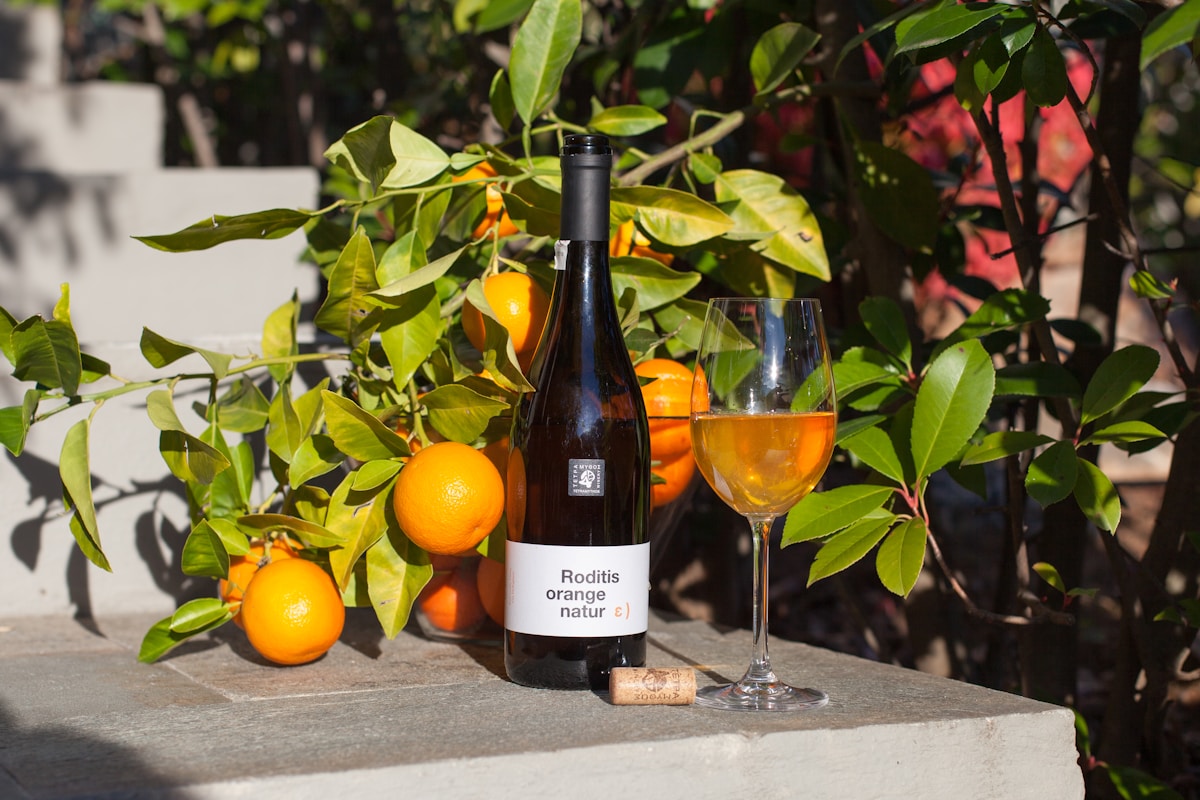
When the global wine press rediscovered orange wine in the 2000s, much of the initial spotlight fell on Josko Gravner and Stanko Radikon in Friuli – but their vineyards lie within a few kilometers of the Slovenian border, and the skin-contact tradition they revived was never truly lost on the Slovenian side. Producers like Aleš Kristančič of Movia, Batič, Klinec, Kabaj, and Aci Urbajs had been fermenting white grapes on their skins for extended periods as a matter of course, often in large Slavonian oak casks, and in some cases in buried clay amphorae (kvevri) reflecting a winemaking philosophy that connects the northern Adriatic to the Caucasus.5 What distinguishes Slovenia’s orange wines from many of their now-trendy imitators is precisely this continuity: these are not experimental bottlings or marketing plays but expressions of a living, unbroken tradition. Rebula fermented on skins for weeks or months develops a tannin architecture, oxidative complexity, and food-pairing versatility (think aged cheese, roasted white meats, and hearty legume dishes) that confounds the simple white-or-red binary that still dominates much of the trade.
“Wine was always made this way here. We did not rediscover anything. We simply never stopped.”
– Aleš Kristančič, Movia (est. 1820)
A handful of estates now anchor Slovenia’s reputation on the international stage. Movia, continuously family-owned since 1820 and today run by the charismatic Aleš Kristančič, farms biodynamically across 22 hectares in Goriška Brda and produces the “Lunar” bottling – a skin-contact white disgorged under water to avoid dosage or sulfur additions – that has become a cult reference point for natural-wine enthusiasts worldwide.6 Marjan Simčič and Edi Simčič (no relation despite the shared surname, a common one in Brda) both craft structured, age-worthy Rebula and Bordeaux-blend reds that regularly earn top scores in European competitions. In the Vipava Valley, Guerila and Burja have emerged as standard-bearers for the indigenous Zelen and Pinela grapes, while Batič produces a range that spans crisp, stainless-steel whites to deeply amber, tannic skin-contact wines of remarkable depth. Kabaj, a Brda estate with Franco-Slovenian roots, blends French technique with local grape material to striking effect.7 What unites these producers is a fierce commitment to site specificity and a refusal to chase the international-varietal playbook that tempted so many emerging regions in the 1990s and 2000s.
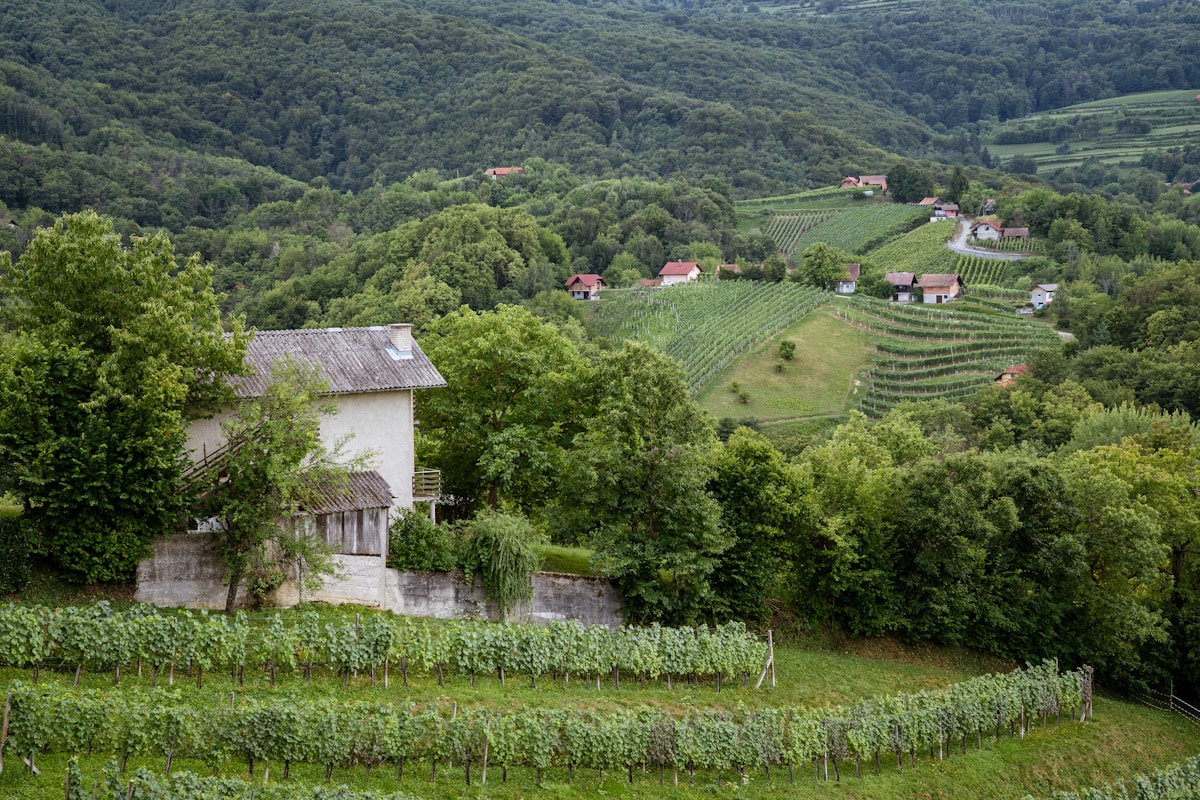
For trade professionals scouting the next frontier, Slovenia’s combination of quality, value, and story is difficult to match. Prices, even at the top, remain substantially below comparable bottlings from neighboring Friuli or Austrian Styria, and the tourism infrastructure has matured rapidly: the country now counts multiple dedicated wine roads, a growing number of estate-based accommodations (wine hotels are a government-supported category), and proximity to Ljubljana – a compact, walkable capital with direct flights from most European hubs.8 The 2024 vintage saw continued growth in export volumes, particularly to the United States, the United Kingdom, and Scandinavia, where natural-wine importers have led the charge. And yet the vast majority of Slovenia’s 28,000-plus winegrowers remain tiny family operations, many farming under a hectare, whose wines are consumed locally and never see an export label. That represents both a challenge – consolidation and quality consistency remain uneven – and an extraordinary opportunity for the importers, sommeliers, and retailers willing to do the fieldwork. Slovenia is not the next big thing in wine. It is, more accurately, one of Europe’s oldest wine cultures finally stepping into its deserved international light.
Notes & Sources
Statistical Office of the Republic of Slovenia, “Vineyards and Wine Production,” 2023. Approximately 15,600 ha under vine with 28,000+ registered winegrowers. ↩︎
Ministry of Agriculture, Forestry and Food of the Republic of Slovenia, “Wine Regions and Appellations,” PGI/PDO registry. Posavje’s Cviček holds PTP (recognized traditional denomination) status. ↩︎
The “Teran” naming dispute between Slovenia and Croatia was resolved through an EU regulation (2017/1353) granting Slovenia a derogation to use the term Teran on labels from the Kras region. ↩︎
Robinson, J., Harding, J., & Vouillamoz, J., Wine Grapes (Penguin, 2012). Entries on Refošk, Malvazija Istarska, Zelen, and Pinela. ↩︎
Simon J. Woolf, Amber Revolution: How the World Learned to Love Orange Wine (Interlink Books, 2018). Chapters 4-6 cover the Slovenian-Friulian border tradition extensively. ↩︎
Movia estate website and interviews with Aleš Kristančič. The “Lunar” method involves secondary fermentation in bottle, then underwater disgorgement without dosage. ↩︎
Producer profiles sourced from the Slovenian Wine Marketing Board (Vinska Družba Slovenije) and Decanter regional reports, 2022-2025. ↩︎
Slovenian Tourist Board, “Wine & Gastronomy Tourism Report,” 2024. Wine tourism arrivals have increased approximately 18% year-over-year since 2021. ↩︎