
Mezcal is not a trend. It is one of the oldest distilled spirits in the Americas, rooted in centuries of indigenous knowledge, family tradition, and a relationship with the agave plant that borders on the sacred. For beverage professionals, understanding mezcal means understanding an entire category that is still largely defined by artisanal production, terroir, and the hands of individual mezcaleros and mezcaleras working in remote palenques across Mexico.
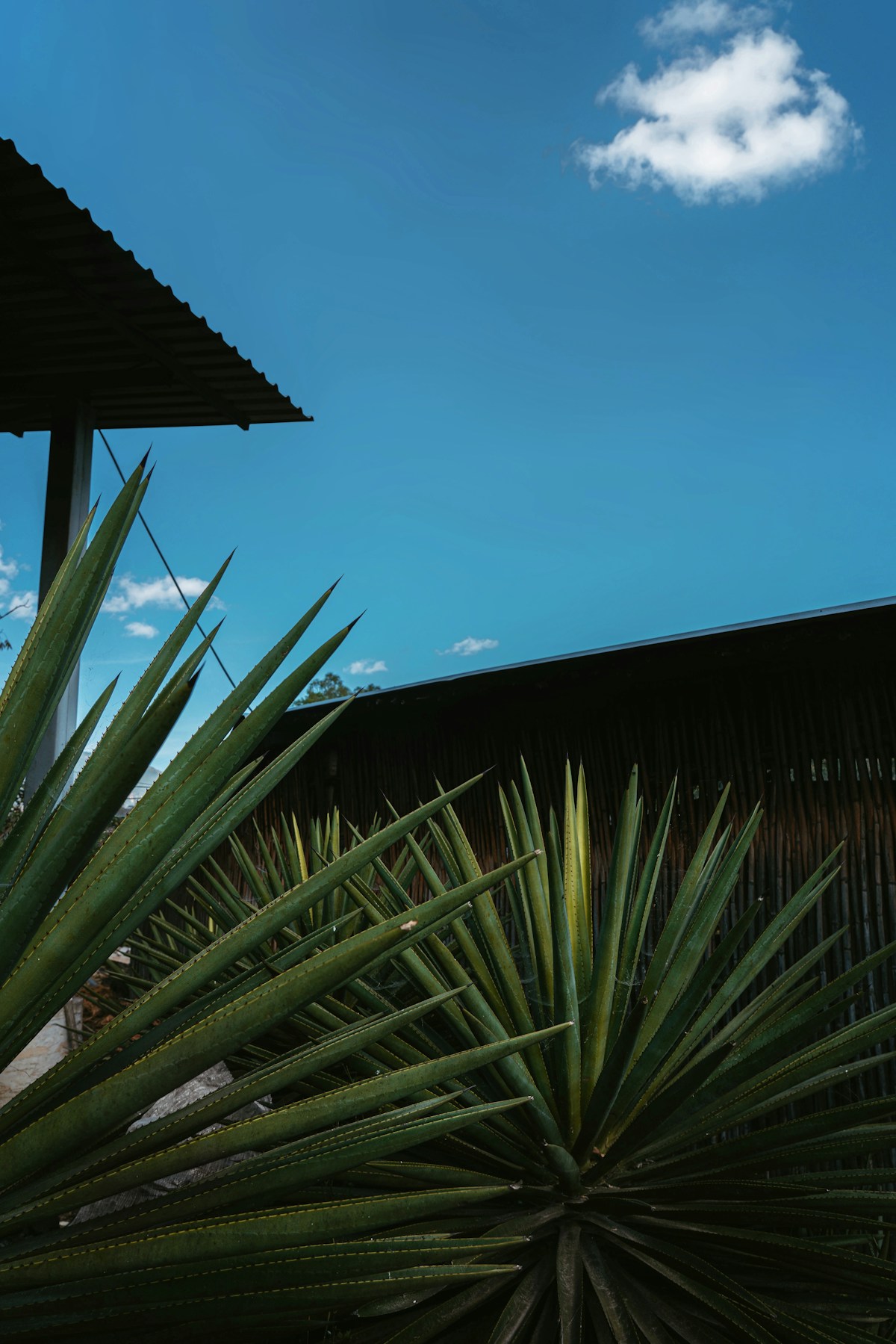
What Is Mezcal
At its simplest, mezcal is any distilled spirit made from agave. Tequila is mezcal. Raicilla is mezcal. Bacanora is mezcal. The phrase you will hear repeated is that “all tequila is mezcal, but not all mezcal is tequila.” This is technically and historically accurate. Tequila is a subcategory of mezcal that achieved its own Denomination of Origin (DO) and regulatory framework, restricting itself to blue Weber agave and a defined set of production states. Mezcal is the parent category.
Legally, mezcal is governed by the Consejo Regulador del Mezcal (CRM), the regulatory body established to certify and oversee mezcal production. The Denomination of Origin for mezcal, registered with the Mexican Institute of Industrial Property (IMPI), currently covers nine states: Oaxaca, Durango, Guerrero, San Luis Potosi, Zacatecas, Puebla, Guanajuato, Tamaulipas, and Michoacan. Additional states including Aguascalientes, Estado de Mexico, Morelos, and Sinaloa have been added or are under consideration, pushing the total beyond nine.
Producers outside the DO can make identical spirits from agave but cannot legally label them “mezcal.” These are often marketed as destilado de agave or destilado de maguey — a distinction that matters commercially even when the liquid in the bottle is indistinguishable from certified mezcal.
History
Pre-Hispanic Origins
The relationship between the peoples of Mesoamerica and the agave plant predates distillation by millennia. Agave was food, fiber, medicine, needle, and building material. The fermented sap of the agave, pulque, was consumed ceremonially and daily across pre-Hispanic civilizations. Archaeological evidence of agave processing in Mesoamerica dates back at least 9,000 years.
Spanish Colonial Distillation
The introduction of distillation technology is traditionally attributed to the Spanish conquest in the 16th century, though there is growing archaeological evidence that some form of distillation may have existed in western Mexico before European contact — clay pot distillation in areas of Colima and Jalisco. Regardless of exact origins, the marriage of agave fermentation with copper and clay distillation produced the spirit we now know as mezcal.
The colonial authorities had a complicated relationship with mezcal. It competed with imported Spanish wines and spirits, leading to periodic bans and taxation. Despite this, production thrived in rural areas, largely beyond the reach of colonial enforcement.
Centuries of Rural Tradition
For most of its history, mezcal was a rural, working-class spirit — produced by families for their communities, consumed locally, and sold regionally with little formal infrastructure. While tequila industrialized in the 20th century with column stills, diffusers, and mass production, mezcal remained artisanal by default. This was not always by choice. It was often a reflection of poverty, isolation, and lack of access to industrial equipment.
The Modern Mezcal Renaissance
The international mezcal renaissance began in the late 1990s and accelerated through the 2000s and 2010s. Ron Cooper’s Del Maguey was instrumental in bringing single-village mezcals to the U.S. market. The rise of craft cocktail culture, consumer interest in authenticity and terroir, and growing awareness of mezcal’s extraordinary diversity drove rapid market growth.
This renaissance has brought both opportunity and tension. International demand has put pressure on wild agave populations, raised questions about sustainability, and created conflicts between traditional producers and the regulatory framework of the CRM. The tension between artisanal tradition and commercial scale remains one of the defining dynamics of the modern mezcal industry.
Agave Varieties
This is where mezcal diverges most dramatically from tequila. While tequila is restricted to a single species — Agave tequilana Weber var. azul — mezcal can be made from over 50 species and varieties of agave, each with distinct flavor profiles, growing conditions, and maturation timelines.
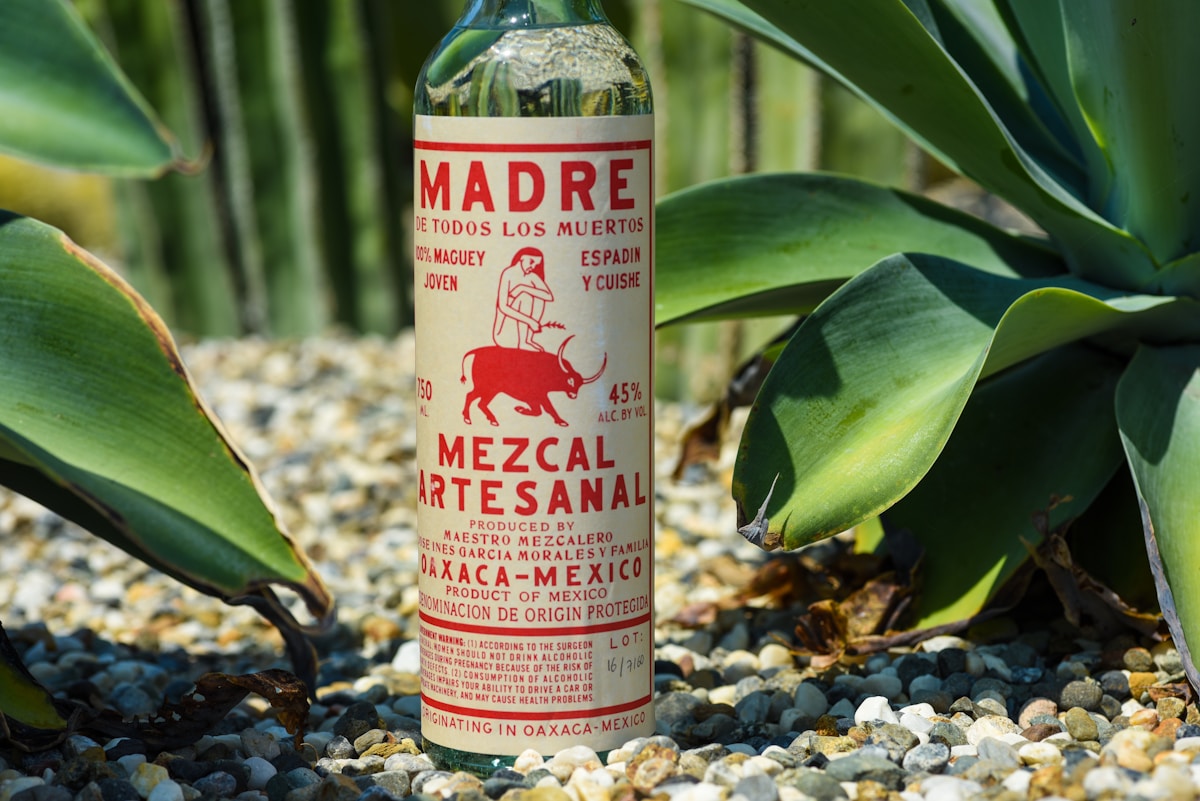
Cultivated Varieties
Espadin (Agave angustifolia) — The workhorse of mezcal, accounting for roughly 90% of production. Cultivated, relatively fast-growing (6-8 years to maturity), and reliably high in fermentable sugars. Espadin is the baseline against which all other mezcal agaves are measured. A well-made Espadin from a skilled mezcalero is not a lesser product — it is the standard.
Mexicano (Agave rhodacantha) — Cultivated in Durango and other northern states, producing mezcals with herbal and mineral characteristics distinct from Oaxacan Espadin.
Cenizo (Agave durangensis) — The signature agave of Durango. Cultivated, with a distinctive ashy, mineral quality that gives it its name (“cenizo” means ashen).
Semi-Wild and Wild Varieties
These agaves are the heart of mezcal’s extraordinary diversity. Many cannot be cultivated commercially, grow only in specific microclimates, and take decades to reach maturity. Their scarcity and the labor required to harvest them from remote hillsides explain their higher prices.
Tobala (Agave potatorum) — Small, compact pinas that grow in shaded, high-altitude areas. Often wild-harvested, though increasingly cultivated. Produces mezcals with floral, tropical fruit, and chocolate notes. 10-15 years to maturity.
Madre Cuixe (Agave karwinskii) — A tall, thin-leafed member of the karwinskii family. Herbaceous, vegetal, with green and savory notes. 10-15 years to maturity.
Tepeztate (Agave marmorata) — One of the most prized and polarizing agaves. Grows on rocky cliff faces, takes 25-35 years to reach maturity, and cannot be meaningfully cultivated. Produces intensely aromatic mezcals with banana, tropical fruit, and green qualities. When you taste Tepeztate, you understand why people say mezcal is a category, not a single flavor.
Arroqueno (Agave americana var. oaxacensis) — Massive pinas, sometimes exceeding 200 kg. Rich, chocolatey, complex. 15-25 years to maturity.
Cuishe (Agave karwinskii) — Another karwinskii variety, tall and slender. Produces mezcals with minty, herbal, and citrus characteristics.
Tobaziche (Agave karwinskii) — The third major karwinskii variant. Earthy, savory, with distinct mineral notes.
Coyote (Agave americana) — Found in the Miahuatlan region of Oaxaca. Fruity, floral, and approachable. 10-15 years to maturity.
Jabali (Agave convallis) — Notoriously difficult to ferment due to its high saponin content. Fermentations frequently fail. When successful, produces funky, tropical, and wildly aromatic mezcals. This is one of the most technically challenging agaves to work with.
Sierra Negra (Agave americana) — Large pinas, grows at high altitude in Oaxaca’s Sierra Sur. Rich, full-bodied, with dark chocolate and earth.
The distinction between wild and cultivated agave is critical. Wild harvesting of slow-growing species like Tepeztate raises serious sustainability concerns. Responsible producers and organizations are working on reforestation and nursery programs, but the timeline for many species — decades to maturity — makes this a generational challenge.
Production Process
Traditional mezcal production is defined by four stages, each of which imparts character to the final spirit. The process is labor-intensive, time-consuming, and largely unchanged in its fundamental techniques for centuries.
1. Harvest (Jima)
The jimador harvests the mature agave by cutting away the leaves (pencas) to reveal the heart of the plant, called the pina (so named because it resembles a pineapple). Pinas can weigh anywhere from 20 kg for a Tobala to over 200 kg for an Arroqueno. The jimador’s skill in identifying a mature plant and cleanly removing the pencas directly affects the quality of the final product.
2. Roasting (Hornado)
This is the stage that most distinguishes mezcal from tequila. While most tequila producers use above-ground brick ovens or autoclaves, traditional mezcal production relies on underground pit ovens (hornos de tierra).
A conical pit is dug into the earth, lined with river rocks, and heated with a hardwood fire for hours until the rocks are white-hot. The pinas are stacked on the rocks, covered with spent agave fibers (bagazo), earth, and sometimes tarps, then left to roast for 3-5 days. This underground roasting is the source of mezcal’s characteristic smokiness — the defining flavor that separates it from tequila in most consumers’ minds.
The type of wood used, the duration of the roast, the size and construction of the pit, and the local soil all contribute to regional and producer-specific character.
3. Crushing and Milling
After roasting, the softened pinas must be crushed to extract their sugars. Traditional methods include:
- Tahona — A large stone wheel, typically pulled by a horse or donkey in a circular stone pit. This is the most iconic image of mezcal production.
- Hand mashing — Using wooden mallets (mazos) in a canoa (a hollowed-out log). This is the most labor-intensive method and is required for Mezcal Ancestral certification.
- Mechanical shredder — Permitted for the base “Mezcal” category but not for Artesanal or Ancestral.
4. Fermentation
The crushed agave and its juices are transferred to fermentation vessels. Traditionally, these are open-air wooden vats (tinas) made from local hardwoods, or hollowed-out tree trunks. Some producers use animal hides, stone pits, or clay vessels. Ancestral production requires wood, stone, clay, or animal skin.
Fermentation is spontaneous, relying on ambient wild yeasts and bacteria. No commercial yeasts are added in traditional production. Fermentation times vary from 4 to 30+ days depending on ambient temperature, altitude, agave variety, and the microflora of the palenque. This is where the unique terroir of each palenque expresses itself most dramatically.
5. Distillation
Traditional mezcal is distilled twice (sometimes three times for pechuga). Distillation methods include:
- Clay pot stills (ollas de barro / monteras) — The oldest technology, using a clay pot as the boiler, a wooden or clay top, and a condensation system using a water-filled bowl (refrescador). Required for Mezcal Ancestral.
- Copper alembic stills (alambiques) — Introduced during the colonial period, now the most common still type. Permitted for both Mezcal Artesanal and base Mezcal.
- Stainless steel column stills — Permitted only for the base “Mezcal” category.
During distillation, the mezcalero separates the spirit into three cuts:
- Puntas (heads) — the first, highest-proof distillate
- Cuerpo (body/heart) — the desired middle cut
- Colas (tails) — the final, lower-proof distillate
The skill of the mezcalero in making these cuts — by taste, smell, and the behavior of the perlas (bubbles) — defines the quality of the final product. There is no lab equipment in most palenques. It is sensory, experiential, generational knowledge.
CRM Categories
In 2017, the CRM established three categories of mezcal based on production methods. These categories are printed on the label and are one of the most important pieces of information for beverage professionals evaluating a mezcal.
Mezcal
The base category permits the most industrial methods:
- Cooking in autoclaves or above-ground ovens
- Mechanical crushing/shredding
- Fermentation in stainless steel with or without agave fibers
- Distillation in stainless steel column stills or copper pot stills
This category encompasses industrial-scale production and is the most permissive in terms of equipment and process.
Mezcal Artesanal
The middle category requires:
- Cooking in underground pit ovens or above-ground stone/brick ovens
- Crushing by tahona, hand-mashing with mallets, or mechanical shredder (but the agave fibers must remain in the fermentation)
- Fermentation in stone, wood, clay, animal skin, or concrete/brick pits — with agave fibers (bagazo) included
- Distillation in copper alembic stills or clay pot stills
- Direct fire only (no steam)
This is where most quality-focused, export-market mezcals fall.
Mezcal Ancestral
The most restrictive category:
- Cooking exclusively in underground pit ovens
- Crushing exclusively by hand (mallets) or tahona — no mechanical mills
- Fermentation in stone, wood, clay, or animal skin vessels — with agave fibers
- Distillation exclusively in clay pot stills (no copper)
- Direct fire only
Mezcal Ancestral represents the oldest continuous production methods. Producers in this category are preserving techniques that predate the introduction of copper to the Americas.
Age Classifications
Mezcal uses a classification system that will be familiar to tequila professionals but includes one unique category:
Joven — Unaged, bottled shortly after distillation. This is the standard and, many would argue, the ideal expression of mezcal. The vast majority of mezcal is consumed as joven. Aging in wood would obscure the agave character, terroir, and smoke that define the spirit.
Reposado — Rested in wood containers for 2-12 months. Less common in mezcal than in tequila, as the category’s identity is less dependent on oak influence.
Anejo — Aged in wood containers for more than 12 months. Relatively rare and sometimes controversial among mezcal purists who feel extended oak aging masks the spirit’s essential character.
Madurado en Vidrio — Aged in glass. This is unique to mezcal. The spirit is stored in glass vessels (often large demijohns called damajuanas), typically underground or in a cool environment, for a minimum of 12 months. Glass aging does not add flavor compounds the way wood does. Instead, it allows the spirit to integrate, mellow, and evolve without introducing tannins or vanillin. This classification reflects the long-standing practice of mezcaleros storing mezcal in glass for extended periods.
Regions
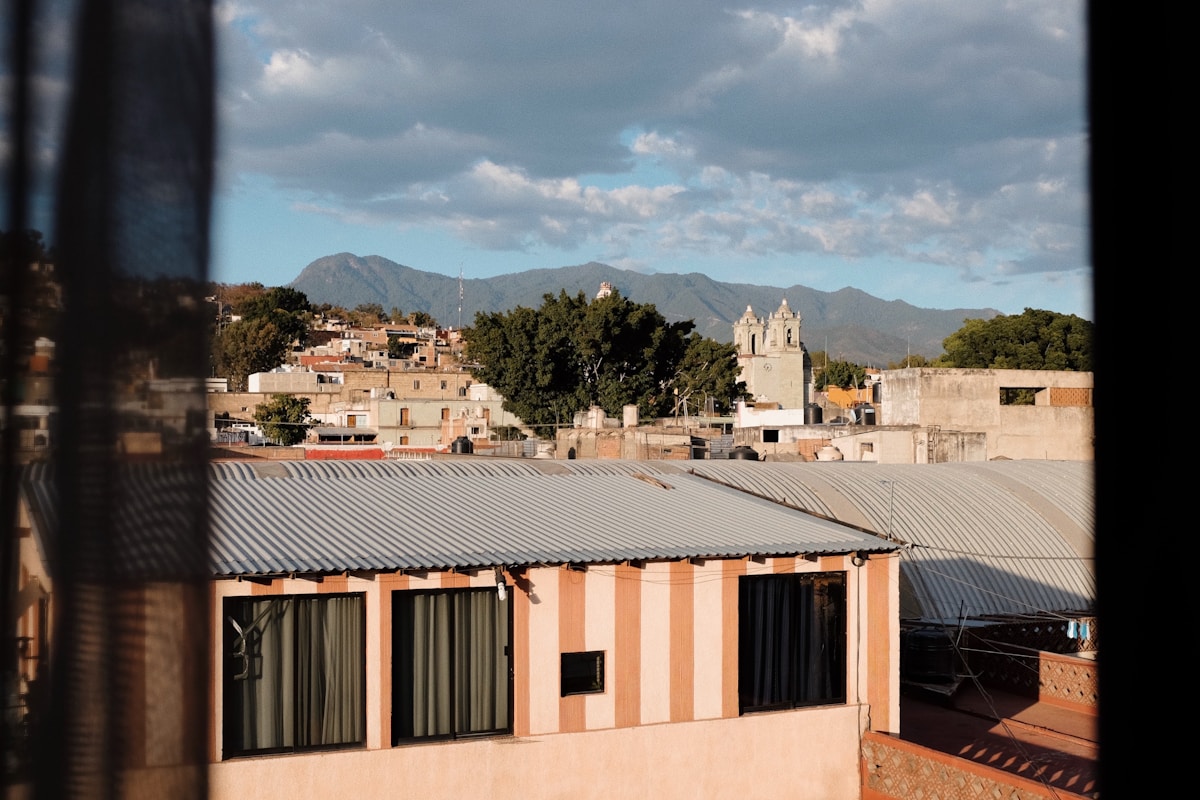
Oaxaca
The dominant state, responsible for approximately 85-90% of certified mezcal production. Oaxaca’s combination of biodiversity (the greatest variety of agave species), established mezcal culture, and early connections to export markets have made it the center of the mezcal world. Key production regions within Oaxaca include Santiago Matatlan (self-proclaimed “World Capital of Mezcal”), Miahuatlan, Ejutla, Sola de Vega, and the Sierra Norte.
Durango
The second-largest producing state, known for mezcals made from Cenizo agave. Durango mezcals tend to have a distinct mineral, earthy, and sometimes peppery character that sets them apart from Oaxacan expressions. The brand Derrumbes Durango has helped bring attention to this region.
Guerrero
Home to a strong mezcal tradition, particularly in the areas around Chilapa. Guerrero producers often work with Cupreata agave and use distinctive local techniques. The state also has a tradition of producing uncertified mezcal and the related spirit raicilla in border areas with Jalisco.
San Luis Potosi
Known for Salmiana agave mezcals. The desert environment of San Luis Potosi produces mezcals with unique vegetal and herbaceous profiles.
Puebla
A growing mezcal region with diverse agave populations and a long, if less internationally recognized, distilling tradition.
Zacatecas, Guanajuato, Tamaulipas, and Michoacan
These states round out the Denomination of Origin and each contribute regional character. Michoacan is also the home of the related agave spirit charanda (made from sugarcane) and has a distinct mezcal identity emerging.
Notable Producers
These are producers that beverage professionals should know. This is not a ranked list, and it is necessarily incomplete — the mezcal world includes hundreds of small producers, many of whom sell exclusively within Mexico.
Del Maguey — Ron Cooper’s pioneering brand, launched in 1995, introduced the “Single Village” concept to the international market. Each expression is sourced from a specific community and mezcalero. Del Maguey was instrumental in building the U.S. mezcal market from nothing.
Real Minero — The Angeles family of Santa Catarina Minas, Oaxaca, led by the late Graciela Angeles Carreno and her family, are considered among the finest mezcal producers in existence. Their clay-pot distilled, Ancestral-category mezcals are benchmarks. The family’s commitment to traditional methods, agave cultivation, and community is a model for the category.
Mezcal Vago — Founded by Judah Kuper, sourcing from mezcaleros including Aquilino Lopez, Emigdio Jarquin, and Salomon Rey Rodriguez in Oaxaca. Known for consistently high-quality, well-documented expressions that credit the individual mezcalero.
Tosba — Founded by Edgar Gonzalez and Elisandro Gonzalez-Molina, producing mezcal in the Sierra Norte of Oaxaca. Named after “mezcal” in the Zapotec language of the region. Known for Espadin and wild agave expressions from high-altitude production.
Derrumbes — A multi-state project showcasing regional diversity: Oaxaca, Durango, San Luis Potosi, Michoacan, Tamaulipas, and Zacatecas expressions, each made by local producers using local agaves and techniques. An excellent educational tool for understanding regional variation.
El Jolgorio — From the Cortes family in Oaxaca, offering an extensive range of single-agave expressions. Their lineup is one of the broadest available and provides an accessible way to explore agave diversity.
Gracias a Dios — A Durango-based producer working with Cenizo and other northern agaves, helping establish Durango as a serious mezcal region in international markets.
Lalocura — Eduardo “Lalo” Angeles (related to the Real Minero family) produces small-batch mezcals in Santa Catarina Minas. His work with diverse agave varieties and commitment to clay-pot distillation has earned a devoted following among mezcal enthusiasts and industry professionals.
The Mezcalero and Mezcalera
In mezcal, the producer is not a brand or a corporation. The producer is a person — the mezcalero or mezcalera (master distiller). This distinction is fundamental to understanding the category.
Mezcal production knowledge is passed down through family lineages, often spanning generations. A mezcalero’s skill encompasses every stage of production: identifying mature agaves, managing the pit roast, judging fermentation by smell and taste, and making distillation cuts by evaluating the perlas (bubbles) in the spirit. There is no formal certification or school. The palenque is the classroom, and the education takes a lifetime.
The growing international market has brought both recognition and exploitation to mezcaleros. The best brands in the category — Vago, Del Maguey, Tosba — prominently credit the individual mezcalero on the label. This is not just marketing. It is an acknowledgment that the mezcalero’s skill, knowledge, and specific palenque are what define the spirit in the bottle.
The role of mezcaleras — women master distillers — deserves specific recognition. Women have always been involved in mezcal production, particularly in fermentation management, but their contributions have been historically underrecognized. Producers like Graciela Angeles Carreno of Real Minero and Sosima Olivera of Oaxaca have brought well-deserved visibility to mezcaleras.
Pechuga Mezcal
Pechuga is one of the most distinctive and misunderstood traditions in the spirits world. It involves a third distillation during which a raw chicken breast (pechuga), turkey breast, or other protein is suspended inside the still above the liquid. The distillation typically also includes seasonal fruits (apples, plantains, plums, pineapple), spices, and nuts added to the base mezcal in the still.
The result is not a “chicken-flavored” mezcal. The protein and fats from the hanging meat interact with the alcohol vapors, adding a subtle richness, roundness, and silky texture to the spirit. The fruits and spices contribute aromatic complexity. The overall effect is a rounder, more layered mezcal that is traditionally produced for celebrations, holidays (particularly Day of the Dead and the Christmas season), and special occasions.
Variations include:
- Pechuga de pollo — chicken breast (most traditional)
- Pechuga de guajolote — turkey breast
- Pechuga de conejo — rabbit
- Pechuga de venado — deer
- Vegetarian/vegan pechugas — using only fruits and no meat, increasingly available
Pechuga mezcals are typically more expensive due to the additional distillation, the cost of ingredients, and the smaller yields from a third pass through the still.
Key Terminology and Glossary
Understanding mezcal requires its own vocabulary. These are the terms beverage professionals should know:
Agave / Maguey — The plant. “Agave” is the botanical term; “maguey” is the common Mexican Spanish term used by producers. Both refer to the same plants.
Alambique — A copper pot still, the most common still type in mezcal production. Introduced during the colonial period.
Bagazo — The spent agave fiber remaining after crushing. Used to cover the pit oven during roasting and often included in fermentation (required for Artesanal and Ancestral categories).
Canoa — A hollowed-out log used as a vessel for hand-crushing roasted agave.
Colas — “Tails.” The final, low-proof fraction of distillation, containing heavier alcohols and compounds.
Copita — A small, wide-mouthed clay cup traditionally used for drinking mezcal. The wide opening allows the drinker to nose the spirit. Also called a jicara (a gourd bowl) in some regions.
CRM (Consejo Regulador del Mezcal) — The regulatory body that certifies mezcal production, enforces the Denomination of Origin, and classifies mezcal into its three production categories.
Cuerpo — “Body.” The heart cut of distillation — the desired middle fraction that becomes the finished mezcal.
Destilado de agave — “Agave distillate.” The legal term used for agave spirits produced outside the mezcal Denomination of Origin. These may be identical in production to certified mezcal but cannot use the name.
Gusano — The larva (moth caterpillar, typically Hypopta agavis or Comadia redtenbacheri) sometimes found in or placed in mezcal bottles. Historically a marketing gimmick more than a tradition, and not a marker of quality. The red gusano (chinicuil) and white gusano (meocuil) are both associated with agave plants.
Horno de tierra — Underground pit oven used for roasting agave pinas. The defining production element of traditional mezcal.
Jicara — A dried gourd half used as a drinking vessel, particularly in rural communities.
Jimador — The person who harvests agave, cutting the pencas (leaves) from the pina.
Mazo — A wooden mallet used for hand-crushing roasted agave in a canoa.
Mezcalero / Mezcalera — The master distiller. The person responsible for all stages of mezcal production at a palenque.
Montera — A clay pot still head (the upper portion that captures and condenses vapors). Used in Ancestral production. The term can also refer to the entire clay pot still assembly.
Olla de barro — Clay pot, referring to the base pot of a clay still.
Palenque — The mezcal distillery. Typically a small, family-operated production site, often outdoors or semi-enclosed. The word is used primarily in Oaxaca; other regions may use different terms (taberna, vinata, fabrica).
Palenquero — An alternate term for mezcalero, used particularly in Oaxaca.
Pencas — The thick, spiny leaves of the agave plant, removed during harvest.
Perlas — “Pearls.” The bubbles that form when mezcal is poured or shaken in a gourd or glass. Mezcaleros use perlas to judge alcohol content and quality. This is called the venencia test — the spirit is poured from a height into a jicara, and the size, persistence, and behavior of the bubbles indicate proof and character. This is the traditional alternative to a hydrometer.
Pina — The heart of the agave plant after the leaves are removed, resembling a large pineapple. This is what is roasted and fermented to make mezcal.
Pulque — The fermented (not distilled) sap of the agave plant. A separate beverage with its own ancient tradition, predating mezcal by millennia.
Puntas — “Points.” The first fraction of distillation, highest in alcohol and volatile compounds. The heads.
Quiote — The flowering stalk that an agave sends up when it reaches reproductive maturity. The agave must be harvested before the quiote fully develops, or the plant’s sugars will be diverted to flowering and the pina will be unsuitable for mezcal.
Refrescador — The cooling element on a clay pot still, typically a bowl or vessel filled with cold water placed on top of the montera to condense the alcohol vapors.
Sal de gusano — “Worm salt.” A condiment made from ground dried gusano larvae, dried chili peppers, and salt. Served alongside mezcal with orange slices. This is a legitimate culinary tradition, unlike the gusano-in-the-bottle practice.
Tahona — A large, heavy stone wheel used to crush roasted agave pinas, typically pulled in a circular path by a horse or mule.
Tina — A fermentation vat, traditionally made from wood (often pine or encino oak), though the term can apply to any fermentation vessel.
Vinata / Taberna — Regional terms for a mezcal distillery, used in states outside Oaxaca (particularly Durango and Guerrero, respectively).
Final Notes for Beverage Professionals
Mezcal is a category that rewards study, curiosity, and humility. A few practical points:
- Serve mezcal neat, at room temperature, in a wide-mouthed vessel. Sipping is the tradition. This is not a shot spirit.
- ABV matters. Many quality mezcals are bottled at 45-55% ABV. Lower proof (40%) mezcals, particularly those marketed primarily for cocktails, may have been cut more aggressively. This is not inherently bad, but it is worth noting.
- Ask about the mezcalero. If a brand cannot or will not tell you who made the mezcal, that is information in itself.
- Batch variation is a feature, not a flaw. Because production is artisanal and fermentation is spontaneous, batch-to-batch variation is expected and embraced. This is not a consistency-driven category.
- Sustainability is not optional. Understand the agave in your bottle. Wild-harvested Tepeztate that took 30 years to grow demands respect and responsible purchasing. Ask producers about their replanting and conservation efforts.
- The category is bigger than smoke. Many consumers and even some professionals reduce mezcal to “smoky tequila.” While pit roasting does impart smoke, mezcal’s true complexity comes from agave variety, terroir, fermentation, and the mezcalero’s hand. Approach it with the same seriousness you would give to single malt Scotch or artisanal cognac.
Mezcal is not the next big thing. It is one of the oldest things. Treat it accordingly.