
The global fascination with agave spirits has expanded well beyond tequila and mezcal, pulling a constellation of lesser-known Mexican spirits into the spotlight. Some of these—Raicilla, Bacanora, Comiteco—are true agave spirits. Others, like Sotol and Charanda, are not agave-derived at all but are inextricably linked to the same cultural, geographic, and commercial ecosystem. For beverage professionals, understanding these categories is no longer optional: they are arriving on back bars, placement lists, and cocktail menus at an accelerating pace.
This guide treats each spirit on its own terms—history, production, legal status, and the producers shaping the category—and closes with a comprehensive glossary of the terminology you need to speak about them with precision.
Sotol
What Is Sotol
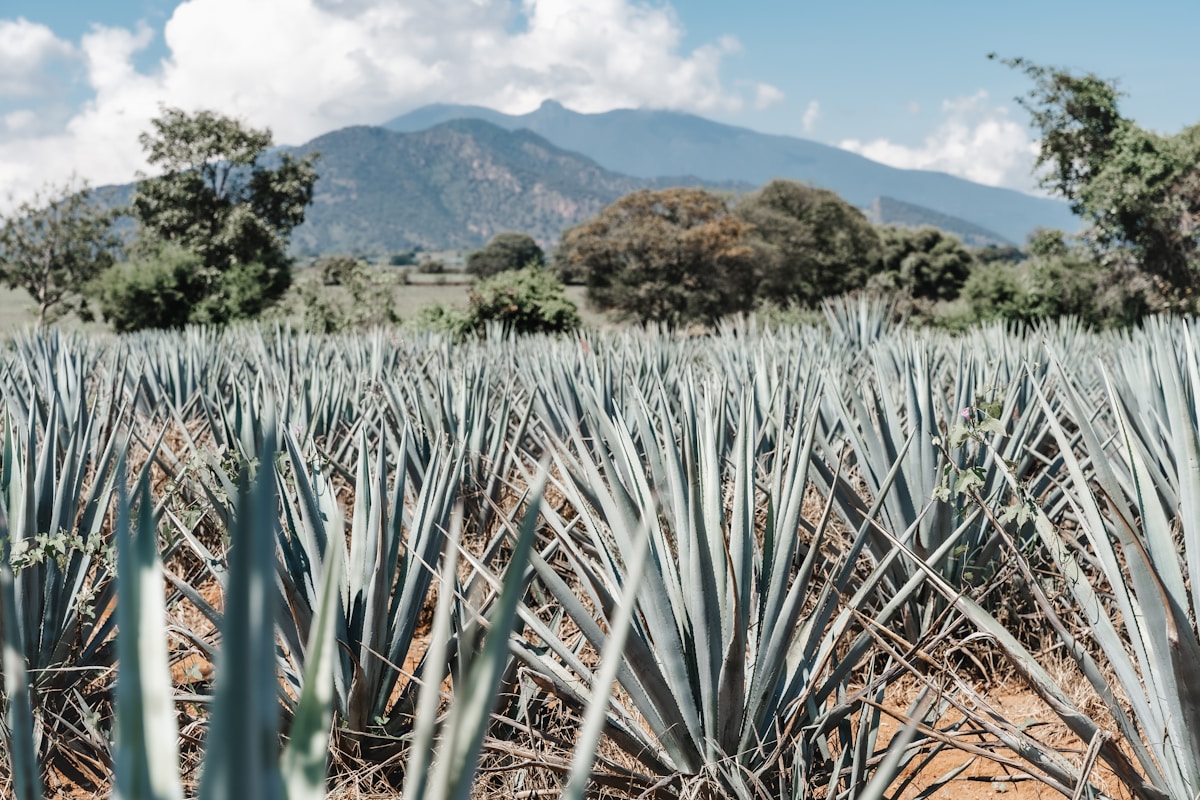
Sotol is a distilled spirit produced from plants of the genus Dasylirion, commonly known as desert spoon or sereque. Despite its routine appearance alongside tequila and mezcal in retail and on-premise settings, Sotol is not an agave spirit. Dasylirion belongs to the family Asparagaceae (formerly Nolinaceae), a separate botanical lineage from the Asparagaceae subfamily Agavoideae that contains Agave. The plants share a superficial visual resemblance—rosette form, arid habitat, spiny leaves—but they diverge significantly in biology. A single Dasylirion plant takes roughly 12 to 15 years to reach maturity, and unlike most agave species, it can regrow after harvesting if the root system is left intact, making sustainable wild-harvesting at least theoretically possible.
The plant thrives in the Chihuahuan Desert, one of the most biodiverse arid regions in the world, spanning portions of northern Mexico and the southwestern United States. More than a dozen Dasylirion species exist, with Dasylirion wheeleri, D. leiophyllum, and D. cedrosanum among the most commonly used for Sotol production.
History
Sotol production stretches back centuries, with deep roots in the traditions of the Raramuri (Tarahumara) and other indigenous communities of northern Mexico. Archaeological evidence suggests that pit-roasting Dasylirion hearts for food and fermented beverages predates Spanish contact. The Raramuri used the fermented drink in ceremonial contexts long before distillation technology arrived with the Spanish in the sixteenth and seventeenth centuries.
After the Mexican Revolution, Sotol became entangled in prohibition politics. From roughly 1920 through the mid-twentieth century, production was banned or heavily restricted under various state and federal regulations. The spirit was driven underground, produced clandestinely in remote mountain and desert camps—a bootlegging tradition that gave Sotol a rough, outlaw reputation it has only recently begun to shed.
The modern Sotol revival began in earnest in the 1990s and accelerated after 2002. A new generation of producers, some with family roots in clandestine production and others with formal training in distillation, started building brands aimed at both the domestic and export markets. The category remains small—global production is a fraction of mezcal’s output—but it has attracted serious attention from bartenders, spirits writers, and importers seeking the next frontier beyond mezcal.
Production
Sotol production follows a broadly similar arc to artisanal mezcal, with important differences at each stage.
Harvesting. Most Sotol is still made from wild-harvested Dasylirion. The sotolero (harvester) selects mature plants, strips the long, serrated pencas (leaves) with a machete or axe, and extracts the central heart, or piña, which is smaller and more fibrous than a typical agave piña—usually weighing between 5 and 15 kilograms. Because Dasylirion can regenerate from its root crown, responsible harvesting leaves the base intact. In practice, however, the growing global demand is putting pressure on wild populations, and conversations about cultivation and sustainability are intensifying.
Cooking. The piñas are roasted in underground pit ovens (hornos de tierra), much like traditional mezcal production. The pit is lined with volcanic rock, heated with hardwood, and the hearts are layered in, covered with earth, and slow-cooked for two to five days. This subterranean roasting caramelizes the inulin-rich carbohydrates and imparts the earthy, smoky character Sotol is known for. Some producers use above-ground stone or brick ovens, and a few use autoclaves, though purists consider these industrial shortcuts.
Milling and Fermentation. After cooking, the softened hearts are crushed—traditionally by hand with axes and mallets, or with a tahona (stone wheel pulled by horse or mule). The extracted juice and fiber go into open-air wooden or stone fermentation vats, where ambient wild yeasts drive a spontaneous fermentation lasting several days to two weeks, depending on temperature and altitude.
Distillation. Sotol is typically double-distilled in small copper or copper-and-wood stills. Some traditional producers use Filipino-style stills (essentially a hollowed-out log with a copper pot), a technology with deep historical roots in Mexican distillation. The distiller makes cuts by taste and smell, separating heads, hearts, and tails. The final spirit is usually bottled between 38% and 50% ABV.
Aging. Most Sotol is released as joven (unaged), but reposado (rested two to twelve months in oak) and añejo (aged over a year) expressions exist. Some producers experiment with local woods or used bourbon and wine barrels.
Regions of Production
Sotol’s Denomination of Origin (see below) restricts the use of the name to three Mexican states:
Chihuahua — the historic and spiritual heartland of Sotol. The vast majority of production occurs here, concentrated in the municipalities surrounding the Sierra Madre Occidental and the Chihuahuan Desert lowlands. The state’s extreme temperature swings—scorching days, freezing nights—produce Dasylirion with intense flavor concentration.
Durango — a smaller but growing production zone, with Dasylirion populations in the state’s arid northern reaches.
Coahuila — the easternmost DO state, where Dasylirion grows on the desert plains and foothill zones bordering Texas.
Texas. Because Dasylirion is native to both sides of the border, a parallel Sotol tradition exists in the United States. Desert Door, based in Driftwood, Texas, launched in 2017 and brought Texas-made Sotol to national distribution. Texas producers cannot legally call their spirit “Sotol” for sale in Mexico under the DO, but they use the term freely in the U.S. market, where the Mexican DO has no legal force. This cross-border tension mirrors earlier debates in the tequila and mezcal worlds.
Denomination of Origin
Mexico granted Sotol a Denominación de Origen (DO) in June 2002, restricting the name “Sotol” to spirits produced from Dasylirion in Chihuahua, Durango, and Coahuila. The DO is administered by the Mexican Institute of Industrial Property (IMPI) and enforced through a regulatory council, though oversight and enforcement remain less robust than the tequila or mezcal DOs. The DO specifies raw material (Dasylirion spp.), geographic origin, and minimum production standards, but allows a range of production methods from fully artisanal to semi-industrial.
Key Producers
Sotol Hacienda de Chihuahua — one of the earliest brands to formalize Sotol production and pursue export markets. Offers a range of joven, reposado, and añejo expressions. Their facility in Aldama, Chihuahua, operates at a larger scale than most and has been instrumental in establishing the category’s commercial viability.
Flor del Desierto — a collaboration with Raramuri communities and sotoleros in the Sierra Tarahumara. Their expressions emphasize wild-harvested Dasylirion, traditional pit roasting, and single-batch production. The brand has become a critical darling and a benchmark for artisanal Sotol.
Por Siempre Sotol — produced by the Arrieta family in Madera, Chihuahua, with deep generational roots in clandestine Sotol production. The brand emphasizes terroir and minimal intervention.
Desert Door (Driftwood, Texas) — the most prominent American Sotol producer. Uses Texas-native Dasylirion texanum, harvested from ranches in the Hill Country and Big Bend regions. Their approach is more modern and accessible, with a lighter, more floral profile than many Mexican expressions.
Sotol Fabriquero — small-batch producer from the Coyame region of Chihuahua, noted for terroir-driven expressions.
Raicilla
What Is Raicilla
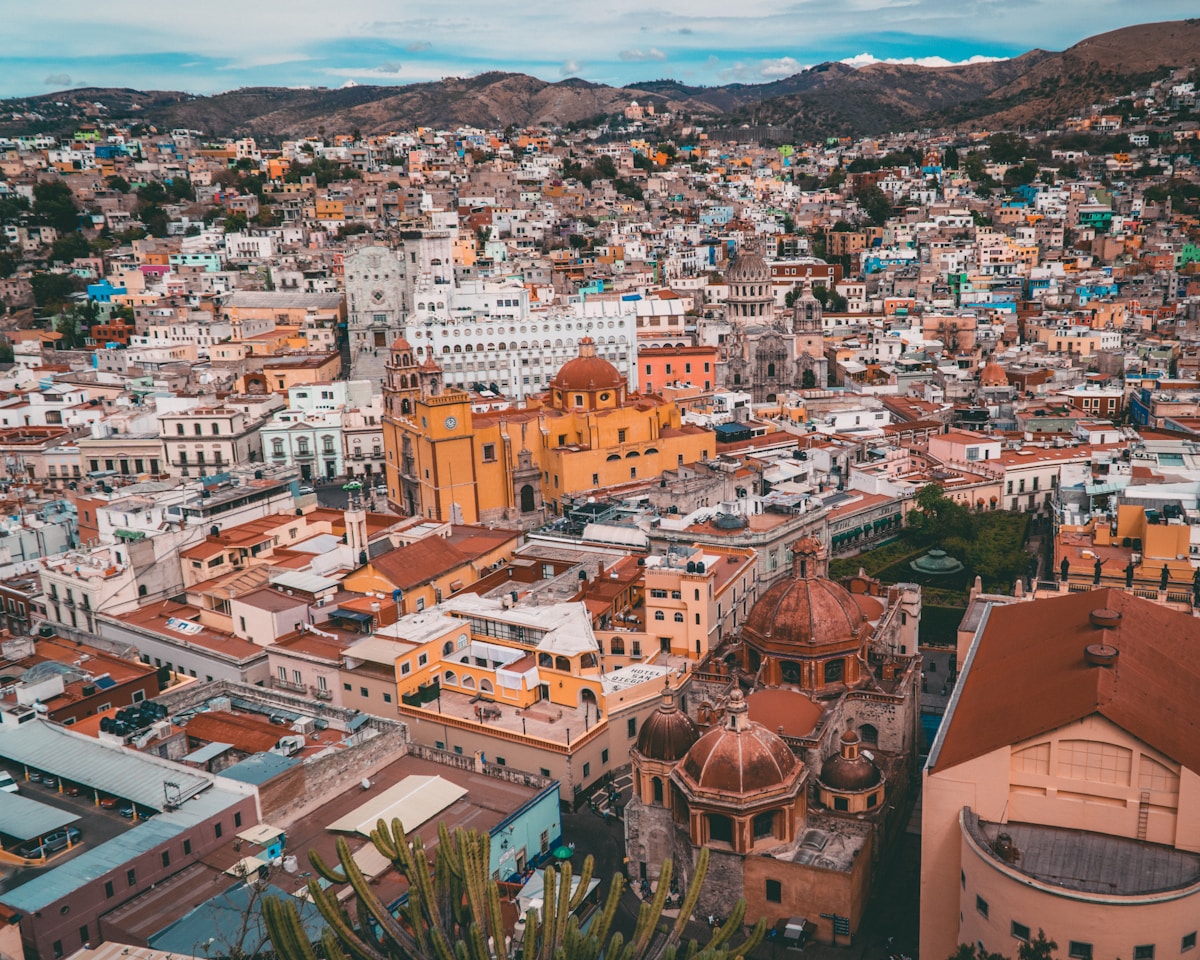
Raicilla is an agave spirit produced in the state of Jalisco, Mexico—the same state that gives the world tequila. For centuries it existed as the unofficial, unregulated “moonshine” of the Sierra Madre Occidental and the coastal lowlands of Jalisco, produced by small-scale farmers and distillers who operated outside the tequila industry’s formal structures. Its long marginalization was partly strategic: legend holds that producers intentionally avoided calling their spirit “mezcal” or “vino de mezcal” to evade colonial and later federal taxes and regulations.
Two Styles: Costa and Sierra
Raicilla divides into two distinct regional styles, defined by geography, climate, and the agave species used:
Raicilla de la Sierra (mountain Raicilla) is produced in the highland municipalities of Jalisco’s Sierra Madre, at elevations above 1,000 meters. The primary agaves are Agave maximiliana (lechuguilla) and Agave inaequidens (bruto or largo). Sierra Raicilla is typically pit-roasted, fermented in wooden vats, and distilled in small copper stills. The resulting spirit tends toward earthy, herbaceous, and mineral flavors with pronounced smoke.
Raicilla de la Costa (coastal Raicilla) comes from the lowland Pacific coastal municipalities around Cabo Corrientes and Puerto Vallarta. Producers here primarily use Agave rhodacantha (amarillo) and Agave angustifolia (chico aguiar). Coastal production often involves above-ground brick or stone ovens rather than pit roasting, yielding a spirit with brighter, more tropical and citrus-driven aromatics, less smoke, and a distinctly different character from Sierra expressions.
The stylistic gap between Costa and Sierra Raicilla is significant—arguably greater than the variation found within many mezcal sub-categories—and both deserve individual exploration.
Legal Recognition
Raicilla received its own Denominación de Origen in June 2019, after years of advocacy by producers, academics, and cultural organizations. The DO defines the geographic boundaries (specific municipalities within Jalisco), permitted agave species, and production standards. The regulatory council (Consejo Regulador de la Raicilla) is still in its formative stages, and debates continue over how strictly to codify production methods without erasing the artisanal diversity that makes the category compelling.
Notable Producers
La Venenosa — the brand most responsible for bringing Raicilla to international attention. Founded by Esteban Morales, La Venenosa releases single-producer, single-village expressions from across Jalisco, highlighting the terroir and technique differences between Costa, Sierra, and transitional zones. Their portfolio functions almost as an atlas of Raicilla diversity.
Estancia Raicilla — focused on coastal-style Raicilla, with a more accessible flavor profile aimed at the cocktail market. The brand has been effective at introducing bartenders to the category.
La Reina — a small Sierra producer with traditional pit-roasting and wood-fired copper pot stills.
Don Celso — named for a veteran tabernero (Raicilla distiller) from the Sierra, this brand emphasizes single-batch, heritage production methods.
Bacanora
What Is Bacanora
Bacanora is a distilled agave spirit from the state of Sonora, in northwestern Mexico. It is made exclusively from Agave pacifica (also classified as Agave angustifolia var. pacifica), a wild agave native to the foothills of the Sierra Madre Occidental in Sonora. The spirit takes its name from the small town of Bacanora in the Sahuaripa district, historically the epicenter of production.
History
Bacanora’s history is defined by prohibition. In 1915, Sonoran governor Plutarco Elias Calles—who would later become president of Mexico—banned the production and sale of Bacanora as part of a broader anti-alcohol campaign. The ban remained in effect for 77 years, until 1992, when the Sonoran state government finally lifted the prohibition. Full legalization and commercialization followed in 2000 when Bacanora received its Denominación de Origen.
During those 77 years, Bacanora never actually disappeared. Production continued clandestinely in remote mountain communities, with knowledge passed down through families. Producers risked imprisonment, and the spirit became deeply associated with Sonoran cultural identity and resistance. The illegality also meant that quality control was nonexistent, and some clandestine batches were dangerously impure, contributing to a lingering (and now largely unjustified) reputation for rough, harsh spirit.
Production
Bacanora production closely parallels artisanal mezcal:
- Harvesting — wild Agave pacifica is harvested by jimadores after 6 to 10 years of growth. The pencas are removed and the piña is extracted.
- Cooking — piñas are roasted in underground pit ovens for several days, converting inulin to fermentable sugars and imparting a smoky character.
- Milling — cooked agave is crushed by hand (with axes or mallets) or with a tahona.
- Fermentation — juice and fiber ferment in open-air containers, typically for 5 to 12 days using wild yeasts.
- Distillation — double distillation in copper pot stills. The spirit is typically bottled as joven at 38% to 55% ABV.
The flavor profile of Bacanora sits in a distinctive space: generally lighter and more herbaceous than Oaxacan mezcal, with pronounced green and vegetal notes, moderate smoke, and a characteristic minerality attributed to Sonora’s volcanic soils.
Denomination of Origin
Bacanora received its DO in 2000, restricting production to 35 municipalities within the mountainous interior of Sonora. The Consejo Sonorense Regulador del Bacanora oversees certification, though the regulatory infrastructure remains modest. The DO specifies the use of Agave pacifica only and mandates production within the defined geographic zone.
Notable Producers
- Rancho Tepua — one of the first brands to bring Bacanora to the U.S. market with consistent quality and professional packaging.
- Cielo Rojo — a small-batch producer from the Sierra de Sonora, emphasizing traditional methods.
- Sunora Bacanora — focused on accessibility and cocktail applications, with both joven and barrel-rested expressions.
- Desmadre — a newer entrant positioning artisanal Bacanora for the premium spirits market.
Pulque
What Is Pulque
Pulque stands apart from every other entry on this list: it is fermented, not distilled. A viscous, mildly alcoholic (typically 4% to 7% ABV), slightly sour beverage made from the fermented sap of maguey (agave) plants, Pulque is arguably the oldest alcoholic drink in the Americas, with a continuous production history stretching back at least two millennia.
History
Pulque was sacred in pre-Hispanic Mesoamerica. The Aztecs (Mexica) associated it with the deity Mayahuel, goddess of the maguey, and with Ometochtli (“Two Rabbit”), the god of drunkenness. Consumption was tightly regulated: public intoxication was punishable by death in Aztec society, and Pulque was reserved for priests, the elderly, warriors, and ceremonial occasions. The drink appears in codices, murals, and sculptural records throughout central Mexican archaeological sites.
After the Spanish conquest, colonial authorities initially attempted to suppress Pulque but quickly recognized its tax revenue potential. Pulque haciendas—massive maguey plantations in the states of Hidalgo, Tlaxcala, Puebla, and Mexico State—became enormously profitable enterprises in the seventeenth through nineteenth centuries, with dedicated pulque trains carrying barrels of fresh product to Mexico City daily.
Pulque’s decline in the twentieth century was driven by industrialization, urbanization, the rise of beer (particularly after German and Austrian immigrant brewers established Mexican lager production), and a deliberate stigmatization campaign that painted Pulque as unsanitary, lower-class, and backward. The beer industry, gaining political and economic power, actively promoted these narratives.
Production
Pulque production begins with the tlachiquero, a specialized harvester who tends mature maguey plants (most commonly Agave salmiana or Agave atrovirens). When a plant is ready to send up its flowering stalk (the quiote), the tlachiquero cuts out the central bud, creating a cavity in the heart of the plant. This cavity fills with aguamiel (“honey water”), a sweet, clear sap that the plant continues to produce for several months—sometimes yielding 3 to 6 liters per day.
The tlachiquero visits each plant twice daily, scraping the cavity walls to stimulate flow and collecting the aguamiel with a long gourd called an acocote (traditionally) or a plastic jug (increasingly). The fresh aguamiel is transported to the tinacal (fermentation room) and added to existing fermenting Pulque in large open vats, historically made from cowhide or wood, now often plastic or fiberglass.
Fermentation is driven by a complex community of wild yeasts and bacteria, including Zymomonas mobilis, various Lactobacillus species, and Saccharomyces strains. The fermentation is rapid—fresh aguamiel becomes Pulque in as little as 12 to 24 hours—and the resulting drink is alive with active cultures. This is why Pulque has historically resisted industrialization and long-distance transport: it is highly perishable and continues fermenting, turning sour and undrinkable within days.
The Modern Pulque Revival
After decades of decline, Pulque has experienced a significant cultural revival since the early 2000s, driven by:
- Pulquerias in Mexico City and other urban centers, ranging from gritty, traditional neighborhood bars to hip, design-forward spaces attracting young professionals and tourists.
- A broader cultural movement reclaiming indigenous and pre-Hispanic Mexican food and drink traditions.
- Interest from the craft beverage world and from bartenders seeking novel fermented ingredients.
Curado (flavored Pulque) has been a major driver of the revival. Pulquerias offer Pulque blended with fruits, nuts, and other ingredients—guava, mango, oat, piñon, celery, and dozens of other flavors. Curado makes Pulque more approachable for newcomers and extends its commercial versatility.
Canned and bottled Pulque products have entered the market, though purists argue that pasteurization (necessary for shelf stability) fundamentally alters the drink’s character. The tension between preservation and authenticity remains a live debate.
Charanda
What Is Charanda
Charanda is a sugarcane spirit produced in the state of Michoacan, Mexico. It is not an agave spirit in any sense, but it is consistently grouped with Mexico’s artisanal and regional spirits and merits inclusion in any comprehensive survey of the Mexican spirits landscape.
The name derives from the Purepecha (Tarascan) indigenous language, referring to the red-colored soil of the region around Uruapan, Michoacan, where production is concentrated. Charanda is essentially a Mexican rum—distilled from fermented sugarcane juice or piloncillo (unrefined cane sugar)—but with a distinct regional character shaped by Michoacan’s volcanic terroir, high-altitude sugarcane cultivation, and traditional production methods.
Denomination of Origin and Production
Charanda received its DO in 2003, making it one of Mexico’s protected regional spirits. The DO restricts production to 16 municipalities in Michoacan and specifies the use of locally grown sugarcane. Production involves pressing fresh cane or dissolving piloncillo, fermenting the juice, and distilling in copper pot stills or column stills. The spirit can be released as joven (unaged) or rested in oak.
Charanda occupies a tiny niche, even within Mexico. Brands like Charanda Tarasco and Charanda Uruapan represent the category, which remains almost entirely unknown outside Michoacan and spirits-specialist circles. For beverage professionals, Charanda offers an interesting point of comparison to rhum agricole, cachaca, and clairin—other sugarcane spirits with strong terroir identities.
Comiteco
What Is Comiteco
Comiteco is one of the most unusual spirits in the Mexican canon. Produced in and around the town of Comitan de Dominguez in the state of Chiapas, Comiteco is made by distilling fermented agave sap—essentially, it is distilled Pulque. The base material is aguamiel extracted from Agave americana (and sometimes Agave salmiana) grown in the highland valleys of Chiapas.
History and Significance
Comiteco has ancient roots in the indigenous Tojolabal and Tzeltal Maya communities of Chiapas. Like Pulque in central Mexico, the fermented sap drink preceded distillation by centuries. When Spanish distillation technology arrived, local producers began distilling the fermented aguamiel, creating a spirit unique to the region.
Comiteco experienced a long commercial decline through the twentieth century, nearly disappearing as a commercial product. In recent years, a small revival effort has emerged, with a handful of producers working to re-establish the category. The spirit has no formal DO as of this writing, though advocates have pushed for legal recognition.
The flavor profile of Comiteco is distinctive: lighter and more floral than mezcal, without smoke (since no agave hearts are roasted), with honeyed, herbal, and slightly funky fermentation-driven notes that reflect its aguamiel origins.
Comprehensive Glossary of Agave and Mexican Spirit Terminology
Understanding the language of these spirits is essential for any professional working with them. The following glossary covers terminology across all the categories discussed above, as well as general agave and mezcal vocabulary.
A
Acocote — a long, dried gourd traditionally used by the tlachiquero to suck aguamiel from the maguey cavity. Largely replaced by modern tools but still used by some traditional pulque producers.
Aguamiel — literally “honey water.” The sweet, clear sap that collects in the cavity of a maguey plant after the quiote bud has been removed. The raw material for Pulque and Comiteco. Fresh aguamiel is mildly sweet and nutritious; it begins fermenting within hours of collection.
Alambique — a copper pot still, used in the distillation of mezcal, Sotol, Raicilla, Bacanora, and other Mexican spirits.
B
Bagazo — the spent agave fiber remaining after milling and juice extraction. Sometimes added back to fermentation vats, and occasionally used as fuel or compost.
C
Capón — the state of a maguey plant after the quiote has been cut to prevent flowering, forcing sugars to concentrate in the piña. Essential for tequila and mezcal production.
Curado — flavored Pulque, blended with fruit, nuts, or other ingredients. Common offerings include guava, mango, oat (avena), pistachio, celery, and coconut.
D
Dasylirion — the genus of desert plants from which Sotol is produced. Not agave. Commonly called “desert spoon” in English due to the spoon-shaped base of each leaf. Over a dozen species exist across the Chihuahuan Desert.
Desert Spoon — the common English name for Dasylirion plants, referring to the concave, spoon-like shape at the base of each leaf where it attaches to the trunk.
Destilado de agave — a legal category in Mexico for agave spirits that do not qualify for a specific DO (tequila, mezcal, Raicilla, Bacanora). Often used by producers working outside DO geographic boundaries or with non-approved agave species.
E
Espadin — Agave angustifolia, the most widely cultivated agave for mezcal production. Also the species basis for Bacanora (A. angustifolia var. pacifica).
F
Filipino still — a type of still historically used in western Mexico, believed to have been introduced by Filipino sailors on the Manila-Acapulco galleon trade route in the sixteenth and seventeenth centuries. Consists of a hollowed-out log trunk with a copper or clay pot, used for small-batch distillation of mezcal, Raicilla, and Sotol.
H
Horno — an oven. Horno de tierra (earth oven) refers to the underground pit oven used for roasting agave or Dasylirion in traditional production. Horno de mamposteria is an above-ground stone or brick oven.
J
Jima — the act of harvesting agave: stripping the pencas and extracting the piña. One of the most physically demanding tasks in agave spirit production.
Jimador — the laborer who performs the jima. Jimadores use a specialized tool called a coa de jima (a flat-bladed implement on a long handle) to sever the pencas from the piña in the field.
Joven — a spirit bottled without oak aging, also sometimes labeled “blanco” or “plata” (silver). The purest expression of raw material and production technique.
L
Lechuguilla — a common name applied to several small agave and Dasylirion species across northern Mexico. In the Raicilla context, refers to Agave maximiliana. In northern Mexico more broadly, it can refer to Agave lechuguilla, a fiber plant.
M
Maguey — the common Mexican Spanish term for agave plants. Used interchangeably with “agave” in everyday language, though “agave” is the formal botanical term. Different regions have dozens of local maguey names based on species, size, and use.
Mezcal — in the broadest, oldest sense, any distilled agave spirit. The Nahuatl-derived word comes from mexcalmetl (or mexcalli), meaning “cooked agave.” In its modern, legally defined sense, mezcal is a DO-protected spirit produced from agave in designated Mexican states (primarily Oaxaca, but also Guerrero, Durango, San Luis Potosi, Puebla, and others).
Mezconte — a traditional term used in Jalisco and western Mexico for agave spirits, essentially a regional synonym for mezcal. Some Raicilla producers historically called their product mezconte.
Mexcalmetl (also mexcalli) — Nahuatl term meaning “cooked agave” or “oven-cooked maguey.” The etymological root of the word “mezcal.”
Minero — a designation within the mezcal DO for spirits produced using a specific traditional method involving clay pot stills. Also used informally to describe a production style.
P
Pencas — the thick, fleshy leaves of the agave plant (or, by extension, the leaves of Dasylirion). Pencas are stripped from the piña during the jima. In some production traditions, pencas are used to cover the pit oven during roasting.
Piloncillo — unrefined whole cane sugar, formed into conical molds. The base material for Charanda when fresh cane juice is not used.
Pina — the heart of the agave (or Dasylirion) plant, so named because it resembles a pineapple after the pencas have been removed. The piña contains the starchy carbohydrates (primarily inulin) that are converted to fermentable sugars through cooking.
Pulqueria — a bar or establishment specializing in the sale of Pulque. Pulquerias range from centuries-old neighborhood institutions in Mexico City to modern, design-conscious spaces. Historically, many pulquerias were gender-segregated or had separate entrances for men and women.
Q
Quiote — the flowering stalk that an agave plant sends up at the end of its life cycle, which can grow several meters tall. In spirit production, the quiote is cut before it fully develops (a process called capado or capon) to force the plant to redirect its stored sugars into the piña. In Pulque production, the quiote bud is removed to create the cavity from which aguamiel is collected.
R
Refino — a term historically used in some regions for the second distillation pass, or for the final spirit. In some Raicilla-producing communities, “refino” was the traditional name for the finished distillate.
S
Sereque — a regional name for Dasylirion in parts of Chihuahua and Durango.
Sotolero — the person who harvests Dasylirion for Sotol production. Analogous to the jimador in agave spirits. Sotoleros work in remote desert and mountain terrain, selecting mature plants and extracting the piñas by hand.
T
Taberna — the traditional name for a Raicilla distillery in Jalisco. The person who operates a taberna is a tabernero.
Tahona — a large, heavy stone wheel (typically volcanic basalt) used to crush cooked agave or Dasylirion. Traditionally pulled in a circular pit by a horse or mule. Tahona milling is slower and less efficient than mechanical shredding but is prized for the textural and flavor qualities it imparts.
Tinacal — the fermentation room or building where Pulque is produced and stored. In the hacienda era, the tinacal was a dedicated structure on the pulque estate.
Tlachiquero — the person who harvests aguamiel from maguey plants for Pulque production. The tlachiquero tends a circuit of producing plants, visiting each twice daily to scrape the cavity and collect the sap. The role requires deep botanical knowledge and physical endurance.
V
Vinata — the traditional name for a Bacanora distillery in Sonora. Also used in some other regions of northwestern Mexico for small-scale distilleries. The person who operates a vinata is a vinatero.
Vino de mezcal — the historical term for all agave spirits in colonial and post-colonial Mexico, before the modern category distinctions (tequila, mezcal, Raicilla, etc.) were formalized. “Vino de mezcal de Tequila” was the full original name for what is now simply called tequila.
W
Worm — the larva (gusano) sometimes found in bottles of mezcal (never tequila). Two types exist: the gusano rojo (red worm, actually a moth larva of Comadia redtenbacheri that infests agave piñas) and the chinicuil (a related species). The practice of adding a worm to the bottle is largely a mid-twentieth-century marketing gimmick and is not a marker of quality or tradition. Serious mezcal producers generally avoid it.
The Bigger Picture
For beverage professionals, the key takeaway is that “agave spirits” is not a single category but a diverse ecosystem shaped by botany, geography, history, and law. Sotol is not agave at all. Pulque is not distilled. Comiteco is distilled aguamiel. Charanda is sugarcane. Raicilla and Bacanora are agave spirits that overlap significantly with mezcal in production but carry distinct regional identities, legal protections, and flavor profiles.
The commercial trajectory of these spirits is clear: they are following the path that mezcal blazed over the past fifteen years, moving from obscurity to curiosity to serious shelf presence. Professionals who invest the time to understand them now—their production, their producers, their terminology, and their cultural contexts—will be well positioned as these categories continue to grow.
Understanding is not just good business; it is a form of respect for the communities, traditions, and landscapes that produce these remarkable spirits.